Lymphedema: What It Is and How to Manage It

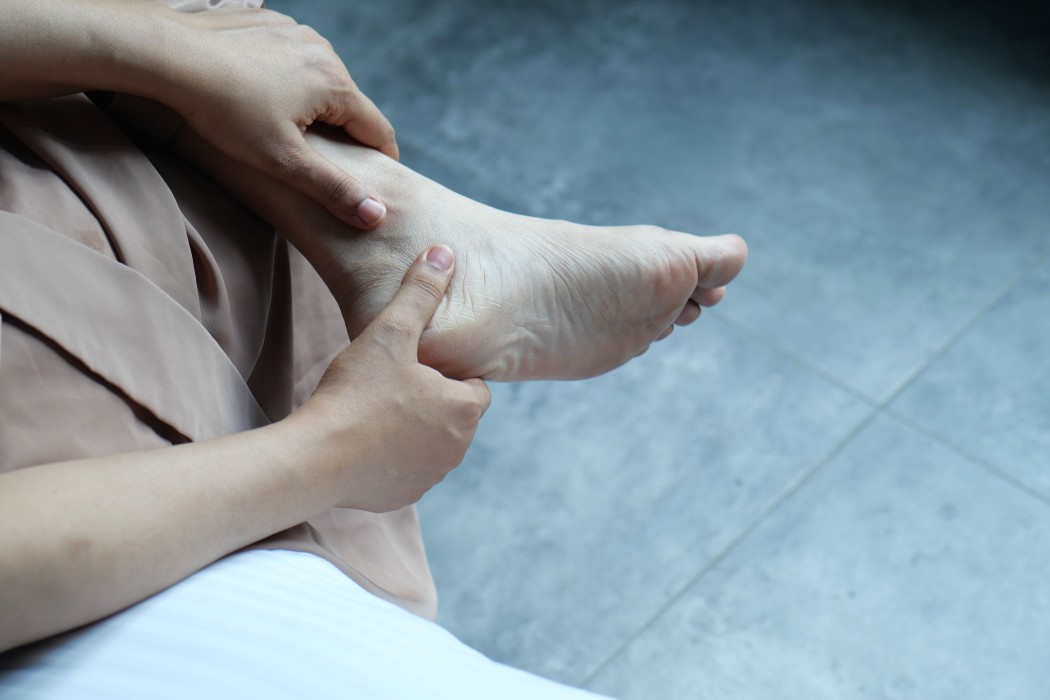
Photo source: openverse, Towfiqu barbhuiya
If you have noticed ongoing swelling in an arm or leg, you may be wondering what is behind it. One possible cause is lymphedema, a long-term condition that affects many older New Zealanders. The good news is that with the right support, lymphedema can be managed well, and many people continue to enjoy active, comfortable lives.
What Is Lymphedema?
Lymphedema happens when the lymphatic system, which helps drain fluid from the body’s tissues, is not working as it should. When fluid cannot drain properly, it builds up and causes swelling, most often in the arms or legs. It can develop after surgery, radiation treatment, injury or infection, and it can also be linked to ageing or reduced movement. Some people are born with a tendency toward it.
Signs to Watch For
Early lymphedema can be subtle. You might notice a heavy or tight feeling in a limb, rings or clothing becoming snug, or skin that feels firm or looks thicker. See your GP promptly if swelling appears suddenly, or if the area becomes red, hot or painful, as this may signal an infection that needs treatment.
Ways to Manage Lymphedema
There is no one size fits all approach, but several strategies are commonly used. Gentle exercise such as walking, swimming or stretching encourages fluid to move. Compression garments or bandaging can limit swelling, and a trained lymphedema therapist can make sure they fit well. Elevating the affected limb while resting may help, and keeping to a healthy weight eases pressure on the lymphatic system. Some people also benefit from manual lymphatic drainage, a gentle massage technique delivered by a qualified practitioner.
Everyday Skin and Safety Tips
Looking after your skin is a big part of living with lymphedema. Keep it clean and moisturised, treat cuts and insect bites quickly, and use sunscreen, as New Zealand’s strong UV can damage skin. Wear gloves when gardening and avoid tight jewellery or clothing on the affected limb.
When to Seek Help
If you suspect lymphedema, talk to your GP, who can assess your symptoms and refer you to specialist services if needed. Early advice often leads to better results. Local support groups can also offer practical tips and encouragement. This article is general information only and is not a substitute for personal medical advice. Living well with lymphedema is possible, and you do not have to manage it alone.