It’s Never Too Late: Learning an Instrument After 60

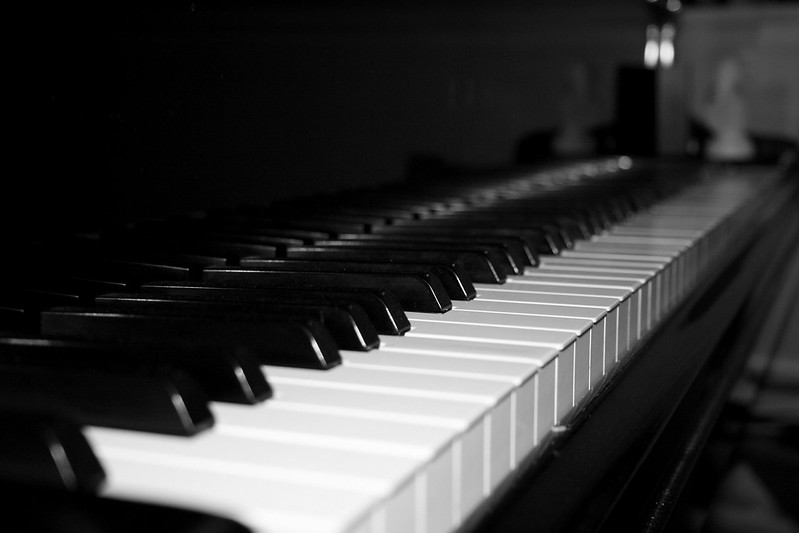
Photo source: openverse, Flickr
There’s a quiet myth that music is a young person’s game. That if you didn’t pick up a guitar in high school or sit through piano lessons as a kid, the window has closed. It hasn’t. Not even close.
More and more people are picking up instruments for the first time well into their sixties, seventies, and beyond. And they’re not just dabbling. They’re forming bands, joining community orchestras, and surprising themselves with what they can learn.
Your Brain Loves a New Challenge
Learning an instrument is one of the few activities that lights up nearly every part of the brain at once. You’re reading notes, moving your fingers, listening for pitch, keeping time, and often doing all of it while sitting or standing in a particular posture. That’s a full workout for your mind.
Research on ageing and cognition keeps pointing to the same idea: novelty matters. Doing something new and moderately challenging helps build cognitive reserve, the brain’s ability to adapt and compensate as it ages. A familiar crossword puzzle is good. A brand new skill like reading sheet music is even better, simply because it asks more of you.
You Don’t Need “Natural Talent”
A lot of people quietly assume that musical ability is something you’re either born with or not. That’s not really how it works. Like most skills, playing an instrument is built through repetition, patience, and a willingness to sound a little rough before you sound good.
In fact, older beginners often bring something younger students don’t have: patience with themselves, a clearer sense of why they’re doing it, and the life experience to push through the frustrating parts without giving up. You already know what it feels like to work at something difficult and come out the other side. That’s a real advantage.
Physical Benefits You Might Not Expect
Playing an instrument isn’t just mental exercise. It’s physical too, in a gentle, sustainable way.
Fine motor skills get a workout from finger placement on a piano, guitar, or violin.
Breath control improves with wind instruments like the flute or saxophone, which can be genuinely helpful for lung capacity.
Hand strength and dexterity tend to improve over time, which can carry over into everyday tasks like buttoning a shirt or opening jars.
Posture and coordination often get better simply from the practice of sitting or standing correctly while playing.
None of this requires hours of practice a day. Even fifteen or twenty minutes, a few times a week, adds up.
The Social Side Matters Too
Loneliness is one of the quiet struggles of getting older, and music has a way of pulling people back into community. Group lessons, community choirs, ukulele clubs, and senior orchestras exist in almost every town, and they tend to be wonderfully welcoming to beginners.
There’s something different about bonding with people over a shared, slightly imperfect rendition of a song everyone is still learning. It builds connection in a way that’s hard to replicate elsewhere.
It’s About the Journey
Nobody picks up an instrument at 65 expecting to play Carnegie Hall. That’s not the point. The point is the joy of learning something new, the pride of slow progress, and the simple pleasure of making music with your own two hands.
So if there’s a dusty guitar in the closet, or you’ve always wondered what it would feel like to play the piano, consider this your nudge. It really is never too late.