Is Salmon Really a “Superfood” for Seniors?

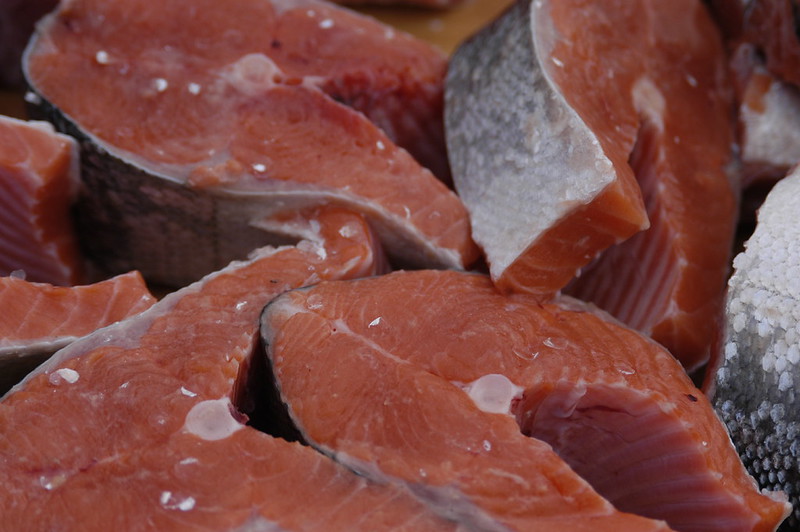
Photo source: openverse, Andrea Pokrzywinski, Flickr
Salmon has earned its “superfood” reputation, and for older New Zealanders, the label holds up well under scrutiny. This oily fish is packed with nutrients that directly support the health concerns many seniors face, including heart disease, cognitive decline, and joint pain.
Why Salmon Stands Out
The biggest drawcard is omega-3 fatty acids, particularly EPA and DHA. These fats are known to support cardiovascular health by helping to lower blood pressure and reduce triglyceride levels. For seniors managing cholesterol or blood pressure concerns, incorporating salmon into weekly meals can be a simple, tasty addition to a heart-conscious lifestyle.
Beyond heart health, omega-3s are also linked to brain function. Some research suggests regular consumption may support memory and reduce the risk of cognitive decline, an important consideration as we age. Salmon is also rich in high-quality protein, which helps maintain muscle mass and strength, something that naturally declines over time and contributes to frailty if left unaddressed.
Vitamin D is another standout nutrient. Many older adults in New Zealand have lower vitamin D levels, particularly during winter months with less sunlight exposure. Salmon offers a natural dietary source, supporting bone strength and immune function alongside calcium.
Enjoying Salmon Safely
New Zealand’s coastal waters provide excellent access to fresh salmon, particularly from the South Island’s aquaculture farms. When choosing salmon, fresh, frozen, or canned varieties all offer nutritional benefits, so budget and convenience can guide your choice.
For seniors with dietary restrictions, it is worth noting salmon is naturally low in carbohydrates and gluten-free, making it suitable for many common dietary needs. However, those on blood-thinning medication should speak with their doctor, as high omega-3 intake can interact with certain medications.
Cooking methods matter too. Grilling, baking, or steaming preserves the nutritional benefits better than deep frying, which adds unnecessary fats.
A Simple Addition, Not a Cure
While salmon offers genuine health benefits, it works best as part of a varied, balanced diet rather than a standalone solution. Pairing it with vegetables, whole grains, and regular physical activity gives seniors the best overall health outcomes.
So yes, salmon deserves its superfood status, but like any single food, it shines brightest as part of the bigger picture of healthy ageing.