Is Forest Bathing Safe for Seniors? The Risks Nobody Talks About

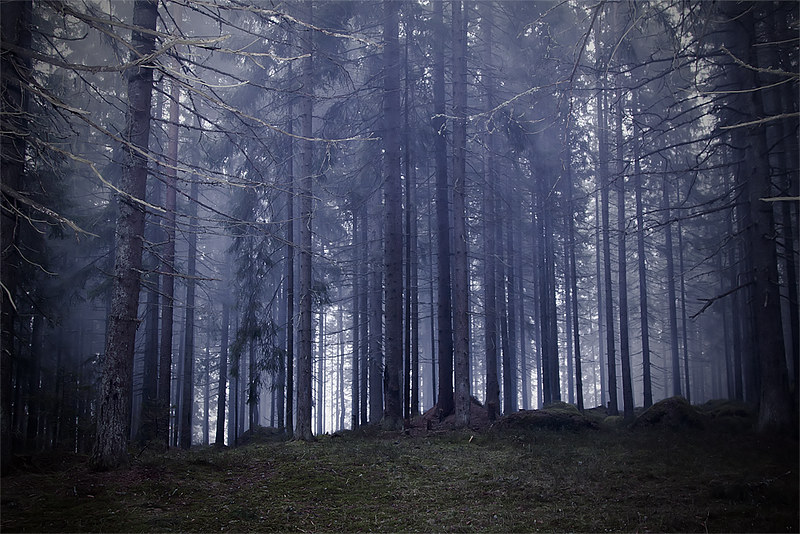
Photo source: openverse, Aleksandr Fokeev, Flickr
Forest bathing, or shinrin yoku, has become popular across New Zealand as a gentle way to relax and reconnect with nature. Walking slowly through native bush, breathing fresh air and taking in the sounds of birdlife sounds like the perfect low-impact activity for older adults. While there are genuine wellbeing benefits, it is worth understanding the risks of forest bathing before planning your next outing, especially if you are a senior with health considerations.
Uneven Terrain and Fall Risk
New Zealand forest trails are often rich with tree roots, loose stones and damp leaf litter. For seniors managing balance issues, arthritis or reduced mobility, these conditions can increase the chance of trips and falls. Choosing well-maintained tracks and using a walking pole can help reduce this risk.
Weather Changes in the Bush
New Zealand weather can shift quickly, particularly in forested or hilly areas. Temperatures under the canopy can feel cooler than expected, and sudden rain can make paths slippery. Seniors should check forecasts, dress in layers and avoid heading out during storm warnings.
Allergies and Insect Bites
Native bush is home to pollen, damp fungal spores and biting insects such as sandflies and mosquitoes. Those with respiratory conditions or skin sensitivities may find symptoms flare up during longer forest visits. Carrying insect repellent and any regular medication is a sensible precaution.
Isolation and Limited Mobile Coverage
Many of New Zealand’s most peaceful forest reserves sit in areas with little or no mobile signal. If a senior becomes unwell, disoriented or injured while alone, getting help quickly can be difficult. Walking with a companion or informing someone of your planned route and return time is a simple safeguard.
Overexertion
Because forest bathing is meant to be slow and mindful, it is easy to assume it carries no physical strain. However, gentle inclines and longer distances than expected can still tire the body, particularly for those with heart or joint conditions. Resting often and knowing your limits matters.
Enjoying Forest Bathing Safely
Understanding the risks of forest bathing does not mean seniors should avoid it altogether. With some simple precautions, such as choosing accessible trails, checking the weather and letting someone know your plans, forest bathing can remain a safe and rewarding way to enjoy New Zealand’s natural beauty in later life.