What is intuitive training, and is it right for you?

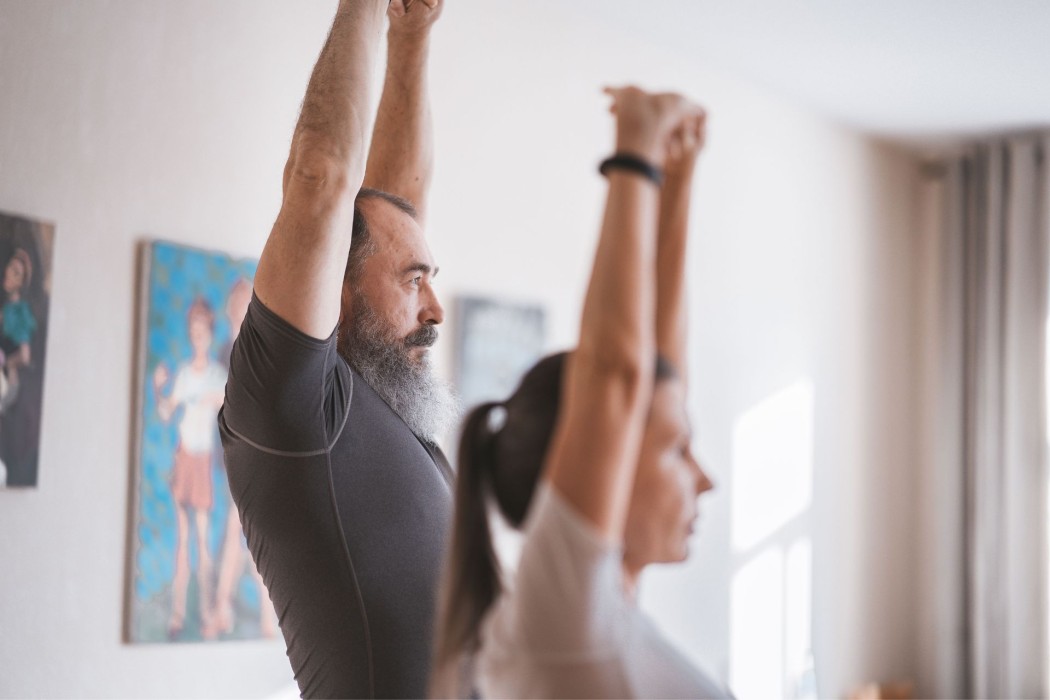
Some mornings the walk up the hill feels easy. Other mornings, after a poor night’s sleep or a long day in the garden, the same hill feels twice as steep. Intuitive training takes that difference seriously.
It’s also called autoregulation, or simply exercising by feel. You set your effort by how your body is responding on the day rather than by a fixed plan.
You still have a goal for the week. You just let the day decide how hard you push towards it.
What the guidelines ask for
The weekly targets are the place to start. New Zealand’s guidelines for adults suggest at least 2½ hours of moderate or 1¼ hours of vigorous activity spread through the week, plus muscle-strengthening activities at least twice a week.
The Ministry of Health’s guidelines for people 65 and over aim for at least 30 minutes of moderate activity on five days a week, or 15 minutes of vigorous activity, or a mix of both. They add three sessions of flexibility and balance work, such as modified tai chi, bowls or gardening, and two sessions of muscle strengthening.
The detail that matters here sits in the guidelines’ own notes. They say the recommendations should be adjusted for each older person according to their needs and abilities. That’s intuitive training in official language.
How to read your own effort
The simplest tool is the talk test. Health New Zealand describes moderate-intensity activity as raising your heart rate and breathing, but “you should still be able to have a conversation”.
The older people’s factsheet that goes with the guidelines puts the other end plainly. During vigorous activity, you can’t chat.
So if you can talk in full sentences on a brisk walk along the waterfront but your breathing has picked up, you’re working at a moderate level. If you’re down to a word or two, you’ve moved into vigorous.
Strength work has its own version, the rating of perceived exertion, or RPE. You score how hard a set felt, for example out of 10, and adjust the weight from there. A close cousin asks how many more repetitions you could have managed with good form, which trainers call repetitions in reserve.
What the research shows
The evidence for older adults is small but encouraging. A University of Miami study, published in 2019, put 82 healthy older adults living in the community, with an average age of about 72, through 11 weeks of strength training. The groups differed only in how they increased their weights.
One group added weight when a set felt easier than 8 out of 10 on an effort scale. The others worked from a percentage of their maximum lift or from rep targets. The researchers found no significant difference between the methods in strength or in everyday tests such as walking speed, standing up from a chair, and rising to walk a short distance and back.
Where the effort-based group stood out was in how the training felt. They found it more tolerable and more enjoyable than the other groups did. The researchers argued that matters, because enjoyment helps keep older people training.
Can people judge their own effort accurately, though? A small German study published in 2026 asked 13 adults with an average age of 67, and 13 younger adults, to call out how many reps they had left during bench and leg presses. Both groups got more accurate over six sessions, and the older group was no worse at it than the younger one.
Neither study shows that exercising by feel beats a set programme. Both were small, and the second measured a skill rather than health results. Together they suggest it can build strength about as well, may be easier to stick with, and is a skill older adults can learn with a little practice.
Rest days and lighter days are part of the method. If you’ve slept badly, are fighting off a cold or are still stiff from the weekend’s digging, swap the weights for a gentle walk or some stretching. Come back to the harder session later in the week, when your body says yes.
It works in both directions. On good days, listening to your body means letting the effort climb.
If you’d rather learn with others, ACC’s Live Stronger for Longer website lists community strength and balance classes around the country. Its instructors adjust the exercises and set the pace to suit each person’s ability, which is intuitive training with a coach on hand.
ACC says around 30% of people 65 and over who live in the community will fall at least once a year, and calls regular strength and balance exercise a proven way to reduce that risk.
If you haven’t been active for a while, or you have a heart or lung condition or another health concern, check with your GP before you start. See them too if exercise brings on chest pain, blackouts or unusual breathlessness.
The hill will still be there tomorrow. Some days you’ll march up it, some days you’ll stroll, and both count.