How to Tell Your Friends About a Dementia Diagnosis (And What to Expect)

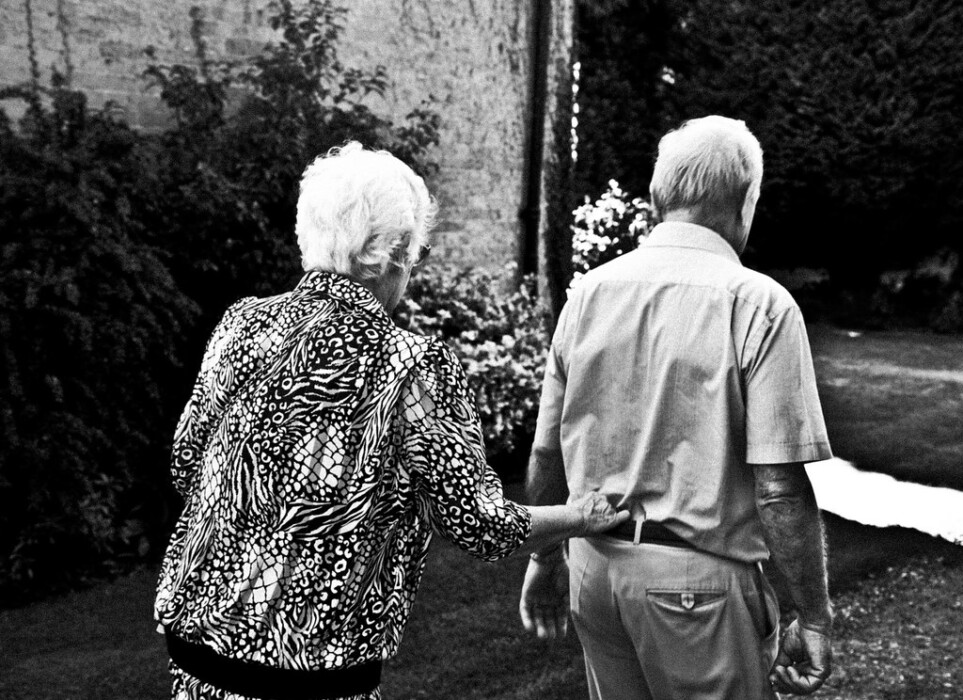
Photo source: openverse, Flickr
Getting a dementia diagnosis changes things. But it doesn’t have to change the parts of your life that matter most, like your friendships. Telling people takes courage, and there’s no single right way to do it. This guide is here to help you think it through, at your pace, in your own words.
Why Telling People Is Worth Doing
It might feel easier to keep this to yourself. Maybe you’re worried about pity, or about being treated differently, or you just don’t want the conversation to get heavy. All of that is normal to feel.
But here’s the thing: secrets take energy. Hiding a diagnosis means hiding pieces of your daily life, too. The doctor’s appointments. The new medication schedule. The days when your memory feels foggier than usual. Friends who care about you will notice changes eventually, with or without an explanation. Telling them on your own terms means you get to control the story instead of letting confusion fill in the blanks.
There’s also the benefit. Real friends want to be there for you. Giving them the chance to show up is a gift, even if it doesn’t feel that way at first.
Deciding Who to Tell, and When
You don’t owe an announcement to everyone in your life. Start small. Think about the people you trust the most, the ones who’ve stuck around through other hard seasons. A close friend, a sibling, or a neighbour who checks in on you. These are good first conversations.
There’s no deadline here. Some people tell friends right after diagnosis. Others wait until they’ve had time to process it themselves first. Both are fine. You’re allowed to sit with the news for a while before you talk about it out loud.
A few questions that might help you decide who’s next on your list:
“Who do I see regularly and would want to know sooner rather than later?”
“Who would I want by my side at appointments or during tough days?”
“Who might already suspect something is different?”
How to Actually Bring It Up
There’s no perfect script, but a few things tend to help.
Pick a calm moment. A quiet coffee, a phone call, a walk together. Not a crowded party or a rushed visit. You want room to talk and room for them to react.
Keep it simple at first. You don’t need a medical lecture. Something like, “I want to tell you something. I’ve been diagnosed with dementia, and I wanted you to hear it from me” is enough to start.
Let them react. Some friends will tear up. Some will go quiet. Some will ask a dozen questions right away. There’s no wrong reaction, and you don’t have to manage their feelings on top of your own.
Share only what feels right. You can talk about the type of dementia, the stage, and what your days look like now. Or you can keep it general for now and fill in details over time. This is your story to tell at your own pace.
Tell them what you need. If you want them to keep doing things the same way, say so. If you’d like help with rides, reminders, or just company, that’s worth saying out loud too. Friends usually want to help but don’t always know how, so a little direction goes a long way.
What to Expect From Their Reactions
People respond to this news in all sorts of ways, and most of it isn’t really about you. It’s about how they process hard things.
Some friends will lean in closer. They’ll ask how they can help and mean it.
Some will pull back, at least at first. Not because they don’t care, but because they don’t know what to say or they’re scared, too. Give them a little time before deciding what it means.
Some will try to fix it. They’ll mention a supplement they read about, or a doctor they heard worked wonders for someone else. This usually comes from love, even when it misses the mark.
A few might disappear from your life altogether. This is painful, and it’s okay to grieve that loss. It says something about their limits, not about your worth.
Most friendships find a new rhythm. It might look a little different than before, but the core of it, the trust, the shared history, and the laughter often stay intact.
The People Who Matter Will Stay
Telling people about a dementia diagnosis is one of those conversations nobody wants to have, but almost everyone is glad they did. It opens the door for support instead of secrecy, for honesty instead of guessing games. You get to decide how, when, and how much. There’s no wrong way to do this, only the way that feels right for you.
And if some conversations don’t go the way you hoped, that’s not a reflection of your strength or your worth. It just means that particular relationship has its limits. The people who matter most will still be standing beside you, learning this new chapter together with you, one day at a time.