How Seniors Can Read Meat Labels Like a Pro

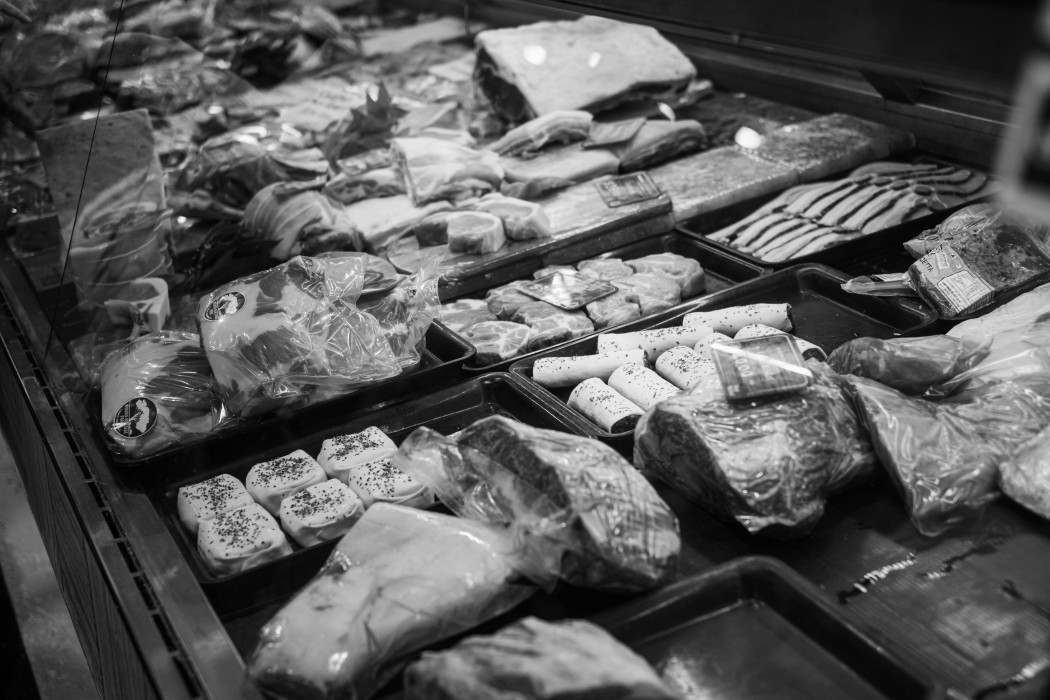
Photo source: openverse, Matt Webster
Standing in the supermarket aisle with a tray of mince in each hand can feel confusing. The good news is that meat labels hold plenty of useful information once you know where to look. A little label knowledge helps you buy safely, save money and enjoy better meals.
Start with the dates
Most meat in New Zealand carries either a “use by” or a “best before” date. A use by date is about safety, so meat should not be eaten after it has passed, even if it looks and smells fine. A best before date is more about quality. Fresh mince, sausages and poultry nearly always carry a use by date, so check it before you put anything in your trolley.
Check the country of origin
Many shoppers like to support local farmers, and the label will usually tell you where the meat came from. Look for wording such as “Product of New Zealand” or “Made in New Zealand from local and imported ingredients.” The two phrases mean different things, so a quick read can save you from a surprise at home.
Understand the cut and the weight
The label names the cut, such as rump, chuck or topside, and this helps you pick the right meat for the right meal. Tougher cuts like chuck suit slow cooking, while tender cuts suit a quick fry or grill. Compare the price per kilogram rather than the tray price, as this is the fairest way to see which option is better value, especially when trays vary in size.
Look at the fat and the storage advice
Many labels show fat content for mince, which is handy if you are watching your heart health. Lean mince will have a lower fat percentage. Always follow the storage instructions on the pack, which usually advise keeping meat in the fridge at or below 4°C, or in the freezer if you will not cook it within a day or two.
Notice the extras
Terms like “free range,” “grass fed” and “organic” appear on some packs. These describe how the animal was raised, and they can affect the price. If you are unsure what a term means, ask the butcher or the meat counter staff. They are usually happy to explain.
Handle and cook with care
Once home, keep raw meat on the lowest fridge shelf so juices cannot drip onto other food. Wash your hands after handling it, and cook meat thoroughly. Mince, sausages and poultry should be cooked right through until there is no pink and the juices run clear.
Reading meat labels does not need to be complicated. Check the date, confirm the origin, compare the price per kilogram and follow the storage advice.