How to get funded home support in New Zealand

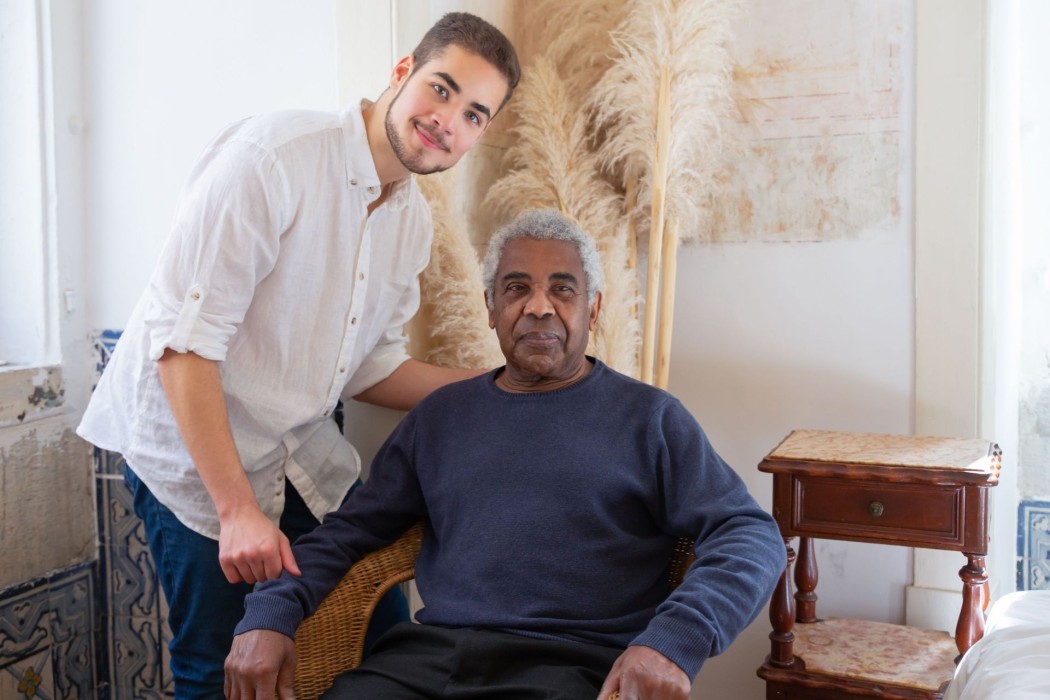
Needing a hand at home doesn’t mean you have to leave it. Health NZ funds home support for people whose health or age makes everyday tasks hard, and around 48,000 older people were getting in-home care at any one time in 2024/25.
The way in is a needs assessment, and you can ask for one yourself.
What home support covers
Home support covers personal care, such as getting out of bed, showering, dressing and taking medicines. It can also include household support, such as cleaning or meal preparation, along with support for carers and safety equipment.
Household help comes with conditions. NASCs in Auckland and Counties Manukau, for example, require a current Community Services Card for long-term household help, while personal care doesn’t need one. Counties Manukau can fund up to six weeks of short-term household help after a health event you’re expected to recover from, but it doesn’t cover gardening, lawns or windows.
Health NZ won’t fund home support if you’re in long-term residential care. People eligible for Disability Support Services get help through that system, and injuries covered by ACC go through ACC.
Getting a needs assessment
You’ll be assessed by a NASC, which stands for Needs Assessment and Service Coordination. Your GP or another health professional can refer you, or you can refer yourself.
The assessment usually takes one to two hours. You choose where it happens, and you can have a family member or friend with you. NASCs use a standard assessment tool called interRAI to work out what you need.
If you’re approved, a provider contracted to Health NZ delivers the support. A family member aged 16 or over can even be employed by the provider as your paid carer. Health NZ’s national service rules expect providers to start within two working days for people at high risk, five for moderate risk and 14 for low risk, counted from when they get the referral.
The approach is “doing with” rather than “doing for”. Support workers are meant to help you keep or rebuild your skills, not take over. Your provider should give you a support plan, update it every year or when your needs change, and explain how to complain.
If you disagree with your assessment or your needs change, contact your NASC and ask for a review. The free Health and Disability Advocacy Service can help you raise concerns, and Age Concern and Grey Power can also give advice.
Help for the people who care for you
If a partner or family member looks after you full time, they may qualify for Carer Support. It’s for carers giving more than four hours a day of unpaid care, and it also needs a NASC assessment. It funds carer relief, so the carer can take a break.
Health NZ’s own example is a carer allocated 25 days at $83 a day, which gives a budget of $2,075. Claims take about 10 working days to process. For more information, call 0800 855 066.
There’s also planned respite care, which is up to 28 days a year in a contracted rest home or facility. Health NZ doesn’t charge for it, apart from any premium extras you choose. Unused days don’t carry over to the next year.
Change may be coming. In August 2026, a ministerial advisory group on aged care recommended letting providers do most in-home assessments and introducing income-tested contributions for in-home care. These are recommendations, and the Government hasn’t decided on them.
David Cunliffe chaired the group. “Many older people want to remain independent and close to family, while having the confidence that formal care will be there if they need it.”
If everyday tasks are getting harder, the first step is a phone call to your GP or local NASC.