Foods That Fight Brain Fog

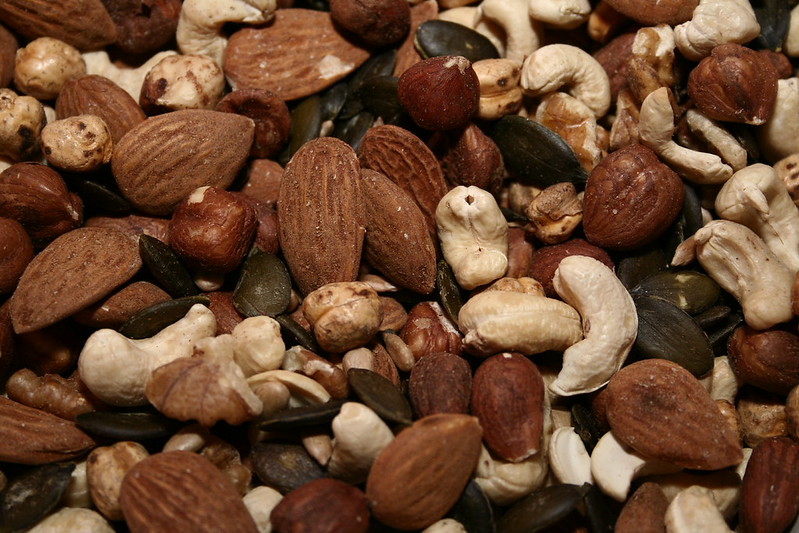
Photo source: openverse, Niklas Lundborg, Flickr
Brain fog is something many older New Zealanders notice from time to time. Forgetting a word mid-sentence, losing your train of thought, or feeling mentally sluggish can be frustrating. While there are many reasons brain fog happens, including sleep, stress, and hydration, what you eat plays a significant role in how clear and sharp your mind feels. Here are some foods worth adding to your weekly menu.
Oily Fish
New Zealand waters offer wonderful access to fish like salmon, mackerel, and sardines. These are rich in omega-3 fatty acids, which are known to support brain cell function and communication. Eating oily fish two to three times a week is a simple way to nourish your brain naturally.
Leafy Greens
Silverbeet, spinach, and kale are packed with vitamins and antioxidants that help protect brain cells from everyday wear and tear. Adding a handful of greens to soups, stir-fries, or sandwiches is an easy habit to build.
Berries
Blueberries, strawberries, and boysenberries, all commonly grown here in New Zealand, contain compounds that may support memory and concentration. Fresh or frozen, berries make a tasty addition to porridge or yoghurt.
Nuts and Seeds
A small handful of walnuts, almonds, or flaxseeds provides healthy fats and nutrients that support overall brain wellbeing. They also make a convenient snack for those busy days out and about.
Whole Grains
Foods like oats, brown rice, and wholemeal bread release energy slowly, helping to keep blood sugar steady throughout the day. Stable blood sugar can support steadier concentration and fewer foggy moments.
Staying Hydrated
Water is often overlooked, but even mild dehydration can affect focus and clarity. Keeping a water bottle nearby, especially during warmer months, supports overall brain function.
No Single Food is a Magic Fix for Brain Fog
The key is a varied, colourful diet combined with good sleep, regular movement, and staying socially connected. Small, consistent changes to meals can make a noticeable difference over time.
If brain fog persists or worsens, it is always worth having a chat with your GP, as it can sometimes signal an underlying health matter that deserves attention.