Don’t Ignore Changes in Your Vision

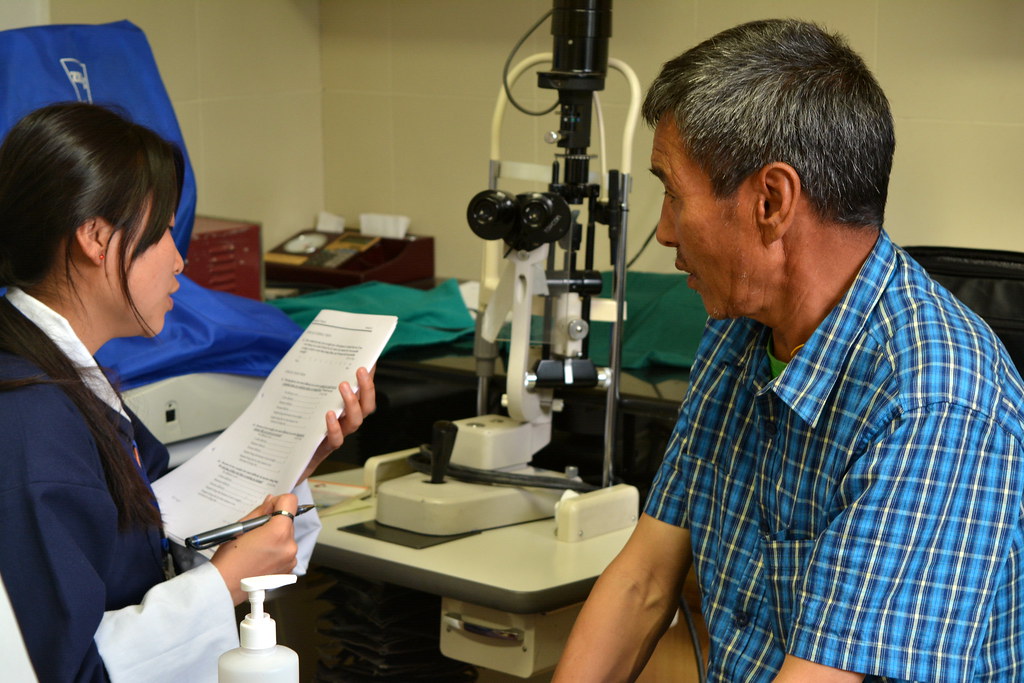
Photo source: Flickr
Most of us expect our eyesight to change as we get older. Reading glasses become essential, small print gets harder to make out, and driving at night may not feel as comfortable as it once did. While many of these changes are a normal part of ageing, some symptoms should never be dismissed as “just getting older.”
A sudden increase in floaters, flashes of light, blurred vision, or the appearance of a dark shadow across part of your sight can all signal a problem that needs prompt medical attention. In some cases, these symptoms may be linked to conditions that can threaten your vision if left untreated. Acting quickly can make a significant difference to the outcome.
Even gradual changes deserve attention. You might notice colours don’t seem as bright, your eyes tire more easily, or you’re needing brighter light to read. These could be signs that your prescription has changed, but they may also point to common eye conditions such as cataracts, glaucoma, or age-related macular degeneration. An eye examination is the best way to find out what’s causing the change.
Regular eye checks become increasingly important with age, even if you think your vision is fine. Many eye conditions develop slowly and don’t cause obvious symptoms until they’ve progressed. Detecting them early gives you more options for treatment and can help preserve your eyesight for longer.
There are simple habits that can also support your eye health. Wear sunglasses on bright days to protect your eyes from ultraviolet light, take regular breaks if you’re using a computer or tablet for long periods, and manage health conditions such as diabetes and high blood pressure, which can affect your vision over time.
Your eyesight plays a part in almost everything you do, from reading and cooking to driving and recognising familiar faces. If something doesn’t seem quite right, don’t wait to see if it improves on its own. A timely eye examination could help protect one of your most valuable senses.