Brain Games That Actually Work

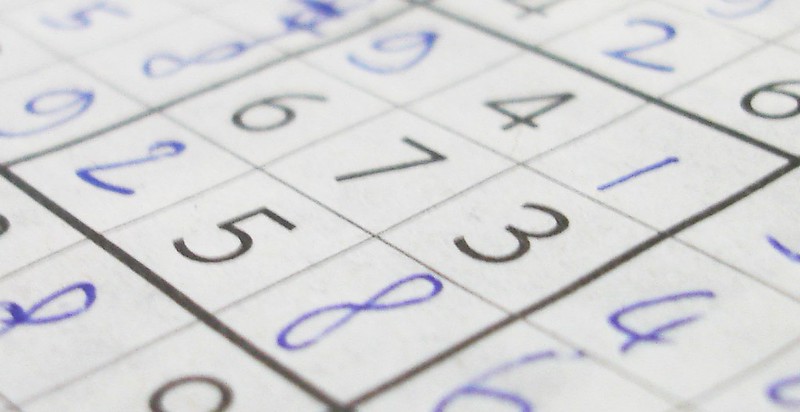
Photo source: openverse, Ferdinand1977, Flickr
Keeping the mind active becomes just as important as staying physically fit. For many seniors across New Zealand, brain games have become a popular and enjoyable way to support memory, focus, and overall mental wellbeing. But do they really work? The answer is yes, when used consistently and combined with a healthy lifestyle.
Why Brain Games Matter
Our brains, like our muscles, benefit from regular exercise. Brain games challenge the mind to think, recall, and problem-solve, which helps maintain cognitive function as we age. Research suggests that mentally stimulating activities can slow age-related memory decline and may even reduce the risk of conditions such as dementia. For older adults living independently or in retirement communities throughout New Zealand, this kind of mental stimulation can make a real difference in day-to-day confidence and independence.
Types of Brain Games That Help
Not all brain games are created equal, but several types have shown genuine benefits for seniors. Crossword puzzles and word searches improve vocabulary and language recall. Sudoku and number puzzles strengthen logical thinking and concentration. Card games such as bridge or solitaire encourage strategic planning and memory use. Jigsaw puzzles support visual and spatial reasoning, while simple memory matching games are excellent for short-term recall.
Digital brain training apps have also grown in popularity among Kiwi seniors, offering guided exercises that adapt to individual skill levels. These apps often track progress over time, which can be motivating for those wanting to see measurable improvement.
Making Brain Games Part of Daily Life
Consistency is key. Spending just fifteen to twenty minutes a day on a brain game can be more beneficial than occasional long sessions. Many seniors find it helpful to mix things up, trying a puzzle one day and a card game the next, to keep the brain engaged in different ways.
Social interaction adds another layer of benefit. Playing games with friends, family, or fellow residents at a retirement village not only sharpens the mind but also supports emotional wellbeing and reduces feelings of isolation, something particularly valuable for older New Zealanders living alone.
Brain games are not a cure or guarantee against cognitive decline, but they are a simple, accessible, and enjoyable way to keep the mind active. Paired with good nutrition, regular movement, and social connection, they form part of a balanced approach to healthy ageing.