Anaemia in Older Adults: Why Does It Happen?

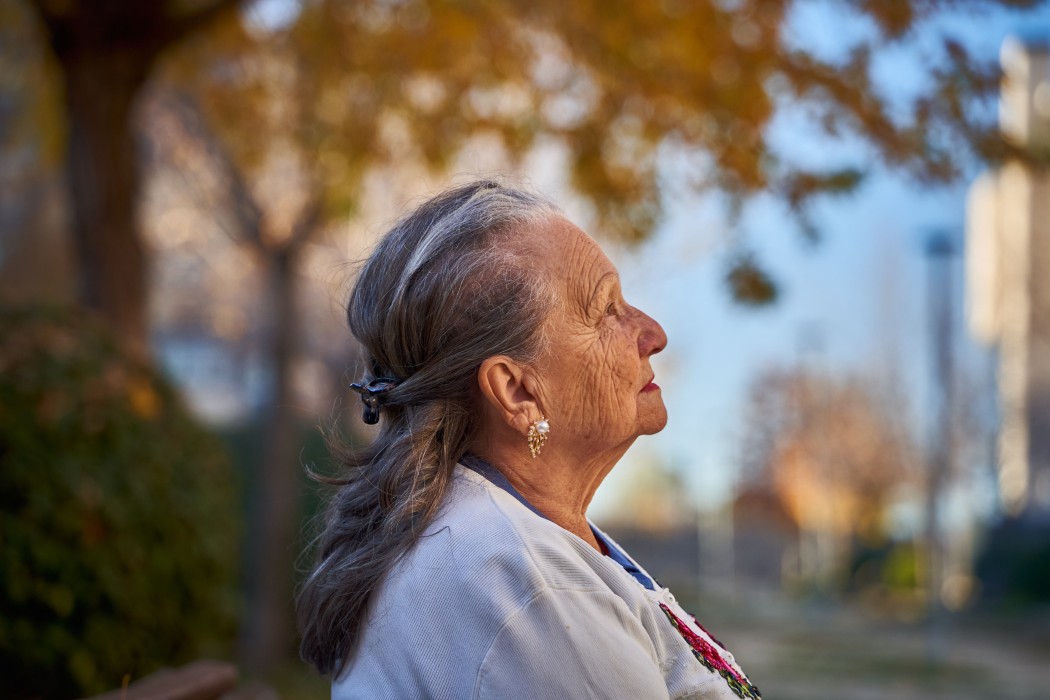
Photo source: openverse, Mike Art 🎥 Visual Creator | Photography and Video
Feeling more tired than usual, or a little breathless on the stairs? Many Kiwis put it down to getting older, but anaemia in older adults is common and often overlooked. In New Zealand it is usually spelt anaemia, though it means the same thing.
What Is Anaemia?
Anaemia happens when your blood does not have enough healthy red blood cells or haemoglobin, the protein that carries oxygen around your body. Without enough oxygen reaching your muscles and organs, you can feel weak, cold, dizzy or unusually tired.
Why Does Anaemia Happen After 65?
There is rarely a single cause. As we age, our bodies change in ways that can affect red blood cell production. Nutrient shortages are a common reason. Iron, vitamin B12 and folate all help make healthy red blood cells, and absorbing them can become harder with age, particularly if stomach acid levels drop or appetite is smaller. Eating less variety, or cooking for one after losing a partner, can also play a part.
Long-term health conditions are another factor. Chronic kidney disease, arthritis, diabetes and heart conditions can all interfere with red blood cell production. Some medicines, including certain pain relievers and blood thinners, may cause slow bleeding in the stomach that goes unnoticed. Bleeding from other causes can also lower iron levels over time.
In some cases, doctors cannot find one clear reason. This is sometimes called unexplained anaemia and is more common in later life, which is why it is worth having checked.
Signs to Watch For
Symptoms often creep up slowly. You might notice pale skin, a racing heartbeat, headaches, cold hands and feet, trouble concentrating or less energy for your usual walks and gardening. Because these signs are easy to dismiss, many people go months without realising something is wrong.
Anaemia in older adults is common, but it is also treatable once the cause is found. If you or someone you love has been feeling unusually worn out, book a check-up and keep the conversation going.