A Financial Cushion Makes Unexpected Bills Easier

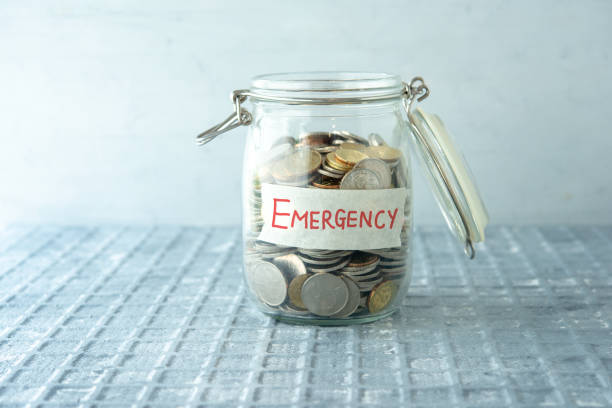
Photo source: iStock
Unexpected expenses have a habit of arriving at inconvenient times. A broken appliance, urgent car repair, dental bill, or last-minute travel requirement can put pressure on your finances if there’s nothing set aside to cover it. An emergency fund can provide a useful buffer when these costs appear.
You don’t necessarily need to build a large savings account overnight. Start with an amount that’s realistic for your circumstances and add to it regularly. Even small contributions can gradually create a financial cushion.
Keeping this money separate from your everyday spending can make it easier to leave untouched. A separate savings account can also make your progress visible without making the money too easy to spend accidentally.
Think about the expenses that could realistically catch you off guard. If you own a car, for example, an unexpected repair may be more likely than a major household expense. If you own a home, you may want a larger buffer for repairs and maintenance.
An emergency fund isn’t intended to cover every purchase you haven’t planned for. A holiday, new television, or birthday gifts are predictable expenses and are better handled through ordinary budgeting or separate savings goals.
It’s also important not to feel discouraged if your fund gets used. That’s exactly what it’s there for. Once the unexpected expense has been dealt with, you can gradually rebuild the amount.
If you’re living on a fixed income, setting aside money can be particularly challenging. Rather than choosing an unrealistic savings target, focus on creating a buffer that fits comfortably within your regular budget.
A modest cushion won’t eliminate every financial worry, but it can make an inconvenient bill considerably easier to manage.