

A Cancelled Flight Can Cost More Than the Ticket

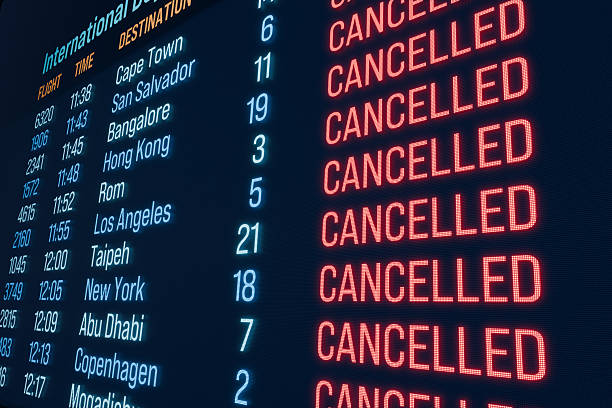
Photo source: iStock
A cancelled flight is frustrating enough. The bigger headache often comes afterwards, when you discover that your hotel booking, airport transfer, or prepaid activity is no longer possible.
For travellers on a fixed retirement budget, these extra costs can quickly turn an affordable holiday into an expensive one. Even a short delay can mean another night in a hotel, an unplanned meal out, or a missed connection that needs to be rearranged.
The first step is to establish what the airline is offering. Check its app, website, or service desk for rebooking options, and ask whether you can choose an alternative flight. If the replacement does not suit your plans, ask what other options are available rather than immediately paying for a new ticket.
Your rights depend on where you are flying, the reason for the disruption and the airline’s terms. For domestic flights within New Zealand, the Civil Aviation Act may entitle passengers to reimbursement of reasonable costs when a delay or cancellation is within the airline’s control. If severe weather or another event outside its control caused the disruption, the rules are different.
Next, contact any accommodation provider or tour operator you will no longer reach on time. Explain the situation as early as possible and ask whether they can move your booking. Some providers may offer flexibility, particularly if you contact them before the original check-in or departure time.
Travel insurance may help cover certain additional expenses, but do not assume every delay is covered. Read your policy’s wording on cancellations, missed connections, and travel delays. Keep receipts, booking confirmations, and written messages from the airline, as these may be needed when making a claim.
It also helps to keep a small buffer in your itinerary. Avoid scheduling a costly, non-refundable activity immediately after a flight if you can reasonably allow more time. For complex trips, consider whether a longer connection or an overnight stop is worth the extra cost.
You cannot prevent every disruption, but you can reduce the financial damage. When a flight is cancelled, get the facts first, contact the businesses affected, and document every expense before deciding what to pay for next.








