

White vs. Whole Wheat Bread: Which Is Right for You?

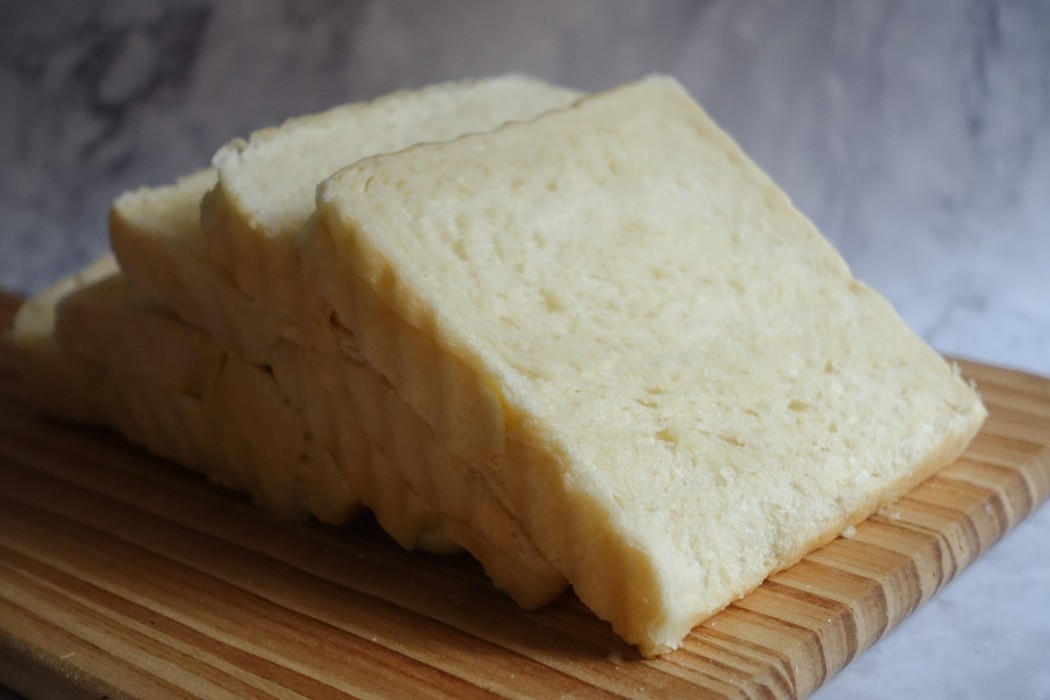
Photo source: Pexels
Walk down the bread aisle at any New Zealand supermarket, and the choices can feel endless. White, wholemeal, multigrain, seeded, and grainy. If you have ever wondered whether white or whole wheat bread is better for you, you are not alone. This simple guide explains the main differences so you can choose with confidence.
What Is the Difference?
White bread is made from flour that has had the bran and germ removed during milling. This gives it a soft texture and mild taste, but it also removes much of the natural fibre, vitamins and minerals. Whole wheat bread, often sold as wholemeal in New Zealand, uses the entire grain, so it keeps those nutrients intact.
Why Fibre Matters as We Age
Fibre supports healthy digestion and helps you feel full for longer. Wholemeal bread generally provides more fibre than white bread, along with B vitamins, magnesium and other useful nutrients. Fibre is also linked with good heart health and steadier blood sugar levels. Many older adults find digestion slows with age, so fibre rich foods and plenty of water can be a helpful combination.
When White Bread Still Has a Place
White bread is not off limits. Its softer texture can be easier to chew and swallow, which may suit anyone with dental concerns or a smaller appetite. Some people are also advised to follow a lower fibre diet for a time, such as during recovery from illness, and white bread can fit well in those situations.
Tips for Choosing at the Supermarket
Read the ingredients list and look for wholemeal or whole-grain flour as the first ingredient. Colour can be misleading, because some brown loaves are simply white bread with added colouring. It also helps to compare the salt content on the nutrition information panel, since bread can be a surprising source of sodium. The Health Star Rating on the pack offers another quick comparison.
A Balanced Approach
Many people enjoy both types. You might have wholemeal toast at breakfast and a soft white roll for an occasional sandwich. If you are switching to wholemeal, do it gradually so your digestion can adjust. Topping your bread with protein, such as egg, cheese or avocado, makes a more satisfying meal.
The best bread is one that suits your health, tastes good and is easy to enjoy. For most seniors, wholemeal offers extra nutritional benefits, but white bread can still be part of a varied diet. If you have diabetes, coeliac disease, kidney concerns or take regular medication, speak with your GP or a registered dietitian before making big changes.










