How long Christmas leftovers keep in a Kiwi summer, and how to reheat them

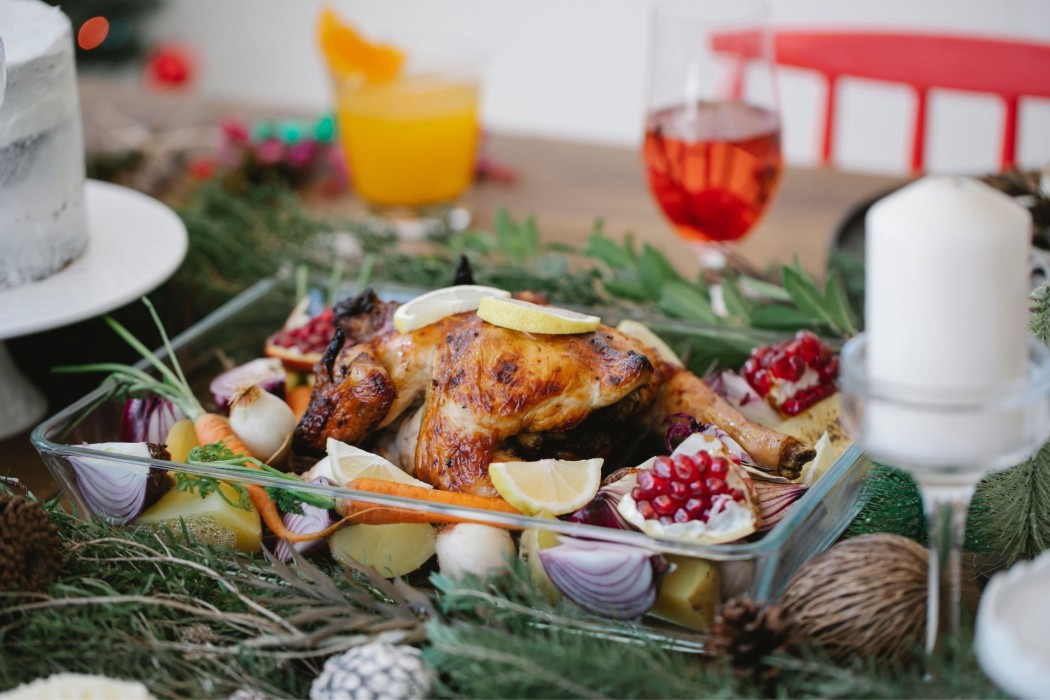
A Kiwi Christmas lunch tends to happen in the sun. The ham sits on the bench, the salads go out to the deck, and someone heads off for a swim before anyone thinks about the fridge. By mid-afternoon, the leftovers have had a long, warm day.
That matters more in summer, and more as we get older. New Zealand Food Safety says foodborne illness and hospitalisations rise every summer. It also says that as you age, particularly past 65, your immune system weakens and finds it harder to fight off bacteria such as Listeria, so foods you’ve eaten safely for years may no longer be safe for you.
Two hours, then into the fridge
The clock starts when the food is served. Get leftovers into the fridge or freezer within 2 hours, in a sealed container, and sooner on a warm day. Bacteria grow between 5°C and 60°C, and the hotter the weather, the shorter the time food stays safe.
Your nose won’t save you here. Most of the germs that make people sick don’t change how food looks, smells or tastes, so a dish that seems fine after an afternoon on the bench can still make you ill.
A big roasting dish or pot cools slowly. Divide large amounts into smaller containers or a shallow tray so the food cools quickly and evenly, then cover it.
Set the fridge between 2°C and 5°C, and don’t overfill it, because cold air needs room to circulate. On a day when the fridge door barely stays shut, a fridge thermometer is a simple way to check.
How long each leftover keeps
Ham gets its own rule. A leftover whole ham stored in a ham bag in the fridge keeps for up to 7 days if you’re eating it cold.
Reheat it until it’s piping hot, over 75°C, and it’s good for a further 2 days. You can also freeze slices for later.
Everything else runs on shorter times. Leftovers you’ll eat hot keep for 4 days in the fridge, so turkey that’s going back in the oven fits here.
Cooked dishes that are normally eaten cold, such as potato salad, pasta salad or roast vege salad, keep for 2 days. So do rice dishes.
Green salads made with raw leafy greens should be eaten as soon as you can after they’re made. Leafy greens can carry bacteria that survive or even grow in the fridge, so turn the leftovers into a soup or stew, or throw them out.
The Christmas platter needs more care if you’re over 65. Cold-smoked fish and other smoked seafood, deli meats, pâté, soft cheeses like brie and camembert, and bagged salads are all on New Zealand Food Safety’s list of higher-risk foods for Listeria. Unlike most bacteria, Listeria can keep growing in the fridge, even below 2°C.
The agency’s advice for lowering the risk is to eat food that was recently prepared, refrigerate leftovers quickly and steer clear of leftovers that won’t be reheated. Cold turkey sandwiches on Boxing Day are worth a second thought.
If you’ve gathered kaimoana over the holidays, cooking kills bacteria but won’t destroy the biotoxins that can build up in shellfish during toxic algal blooms. Check the shellfish biotoxin alerts on the MPI website before you collect, or download the free NZ Fishing Rules app, which carries the current warnings.
Reheating, freezing and the chilly bin
Reheat leftovers until they’re piping hot, over 75°C. As the agency puts it, “Warm doesn’t kill bacteria. Hot does.”
Reheat leftovers only once. It’s easier to take out the portion you’ll eat than to warm the whole dish again the next day.
Freezing buys more time, but it runs on the same 2-hour clock, so get food into the freezer promptly. Thaw it in the fridge or the microwave, never on the bench. The outside defrosts first and sits warm while the middle is still frozen, which gives bacteria on the surface time to grow.
For a picnic or a day at the beach, keep salads and anything chilled in a chilly bin or chilly bag with ice packs until you need them, and keep food covered. Leftovers go back in the chilly bin with the ice packs, or into the fridge, within 2 hours. If that’s not possible, throw them away.
The same goes for the shopping. A hot car or boot is no place for meat or chilled food, so take it straight home or pack it with an ice pack.
And if you’re unsure how long something has been sitting out, the rule is simple. When in doubt, throw it out.
None of this means rationing the ham. It just means the fridge gets a turn before the swim does.