The Small Skin Changes Worth Mentioning to Your GP

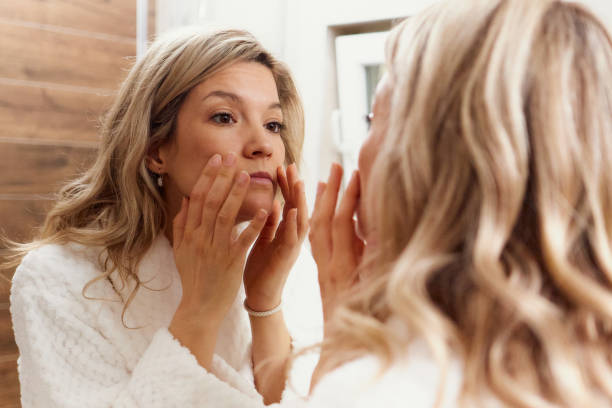
Photo source: iStock
You might notice a rough patch on your forehead while washing your face, a small growth near your ear, or a sore on your hand that never quite heals. These changes are easy to dismiss, particularly when they develop gradually and do not hurt. Yet knowing which skin changes deserve attention can help you seek advice before a minor-looking problem becomes more serious.
Skin naturally changes with age. It can become thinner, drier, and more fragile, while years of sun exposure may leave freckles, age spots, and rough areas. Many of these changes are harmless, but not every new mark is simply a sign of getting older. Sun-damaged skin can develop precancerous changes, and some skin cancers initially resemble an ordinary scab, spot, or patch.
Pay particular attention to a sore that repeatedly crusts over, bleeds, or fails to heal. A rough, scaly patch that persists, especially on sun-exposed areas such as the face, ears, scalp, and hands, is also worth having assessed. Some skin cancers grow slowly and cause little discomfort, so waiting until a mark becomes painful is not a reliable approach.
Moles deserve attention if they change in size, shape or colour, develop an irregular border, or look noticeably different from your other moles. However, skin cancer does not always begin as a familiar-looking mole. A new lump, an unusual dark mark, or a persistent area of irritation can also warrant medical advice.
If you notice a change, take a clear photograph and record when you first saw it. A photograph may help you track whether the area is changing, but it cannot determine whether the growth is harmless. Arrange an appointment with your GP, who can assess the area and refer you for further investigation if necessary. Avoid picking at a persistent sore or trying to remove a growth yourself.
New Zealand’s UV levels can be high even when the weather feels cool, making sun protection important throughout the year. Shade, protective clothing, a broad-brimmed hat, and sunscreen can help reduce further damage, but they do not eliminate the need to assess suspicious changes.
You do not need to become anxious about every freckle or blemish. The useful habit is to notice what is new, changing, or refusing to heal, then seek professional advice instead of assuming it is harmless.