

The Eye Problem That Makes Night Driving Harder

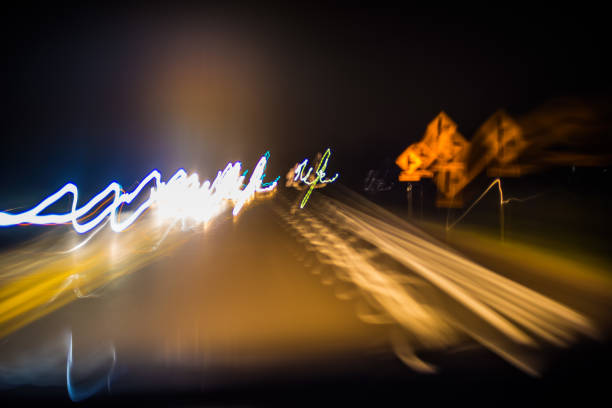
Photo source: iStock
Driving to dinner used to be straightforward, but lately, the journey home feels different. Oncoming headlights seem painfully bright, reflections spread across the windscreen, and road signs become harder to read until you are almost upon them. You might find yourself avoiding evening trips altogether, even on familiar roads.
Night driving places different demands on your eyesight. Your eyes need time to adjust to lower light levels, while glare from headlights can make it harder to see pedestrians, cyclists, and road markings. Age-related changes can contribute, but worsening night vision should not automatically be dismissed as an inevitable part of getting older.
One possible cause is a cataract, which develops when the lens inside the eye becomes cloudy. Cataracts can cause blurred vision, increased sensitivity to glare, and difficulty seeing in dim conditions. Other eye conditions can also affect vision, so the symptoms alone cannot tell you what is happening. An optometrist can examine your eyes and identify whether treatment or a change in your glasses may help.
Pay attention to the situations that have become difficult. Do headlights appear to have halos around them? Are you struggling to distinguish kerbs from the road, or finding that familiar routes feel less comfortable after sunset? Make a note of these changes before your appointment, particularly if they have developed gradually.
In the meantime, keep your windscreen and glasses clean, ensure your headlights are working properly, and avoid driving at night if you cannot see confidently. Increasing dashboard brightness will not improve your ability to see the road, and excessively bright displays can be distracting. If you feel unsafe, arrange another way home rather than pushing through the journey.
Regular eye examinations matter even when your glasses prescription seems adequate. An eye test can assess more than how clearly you read a chart, and some eye conditions may develop before you notice obvious changes in everyday vision.
Seek urgent medical assessment if your vision changes suddenly, particularly if you experience a sudden loss of sight, new flashes or floaters, or a dark shadow across your vision.
You do not have to give up every evening outing because driving has become harder. The first step is understanding why your night vision has changed and finding out what can be done to make getting around safer.









