Melanoma Symptoms Explained for Seniors

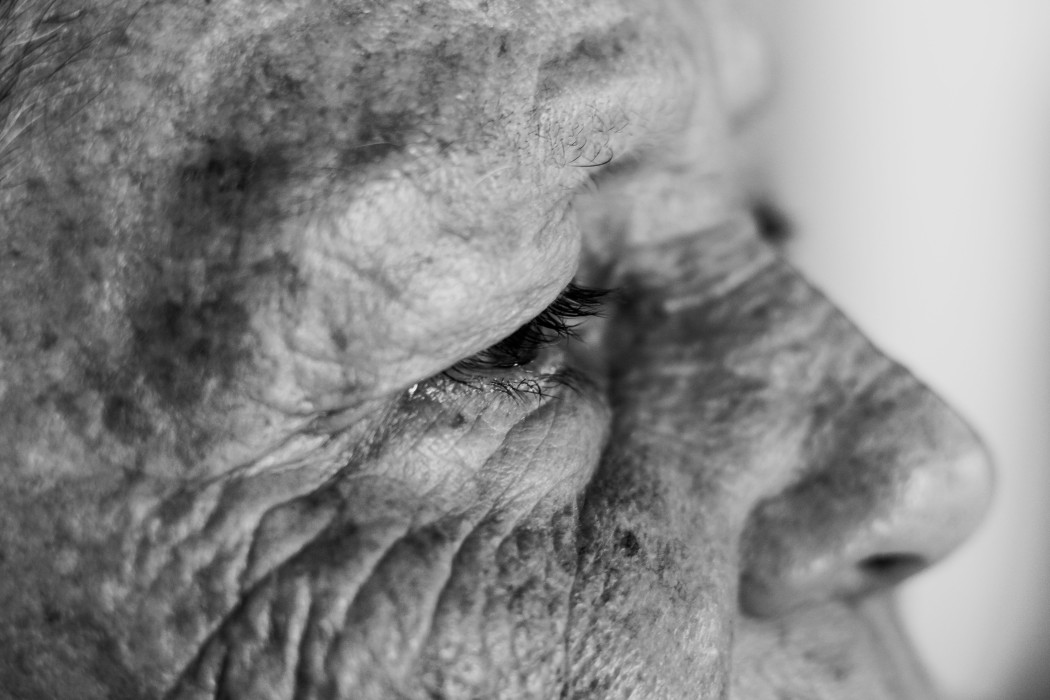
Photo source: openverse, Kássia Melo
New Zealand has one of the highest rates of melanoma in the world, and the risk rises as we get older. Years spent gardening, fishing, walking the dog or watching the grandchildren play sport all add up under our strong UV. Knowing the common melanoma symptoms can help you spot changes early, when treatment is most effective.
What Are the Main Melanoma Symptoms?
The most common sign is a new spot on the skin or a change in an existing mole. Many people use the ABCDE guide to check. Asymmetry means one half of the spot does not match the other. ‘Border’ means the edges look ragged, blurred or uneven. Colour means the spot has more than one shade, such as brown, black, red, white or blue. Diameter means it is larger than about 6 millimetres, roughly the size of a pencil eraser. Evolving means the spot is changing in size, shape or colour over weeks or months.
Other melanoma symptoms are easy to miss. A spot may itch, feel tender, bleed or crust over without any injury. Some melanomas look like a sore that will not heal or a pink or red lump. Not every melanoma is dark, so unusual skin changes deserve attention even when they do not look like a typical mole.
Where to Look
Melanoma can appear anywhere, including places the sun rarely reaches. Check your scalp, ears, back, legs, between the toes, under the nails and the soles of your feet. If you live alone or cannot see all areas, ask a family member, friend or your GP to help. Taking dated photos of moles on your phone makes changes easier to notice.
When to See Your Doctor
If you notice any of the melanoma symptoms above, book an appointment with your GP promptly. Early detection greatly improves outcomes, and many skin checks end in reassurance.