Meal Planning Made Simple for Seniors

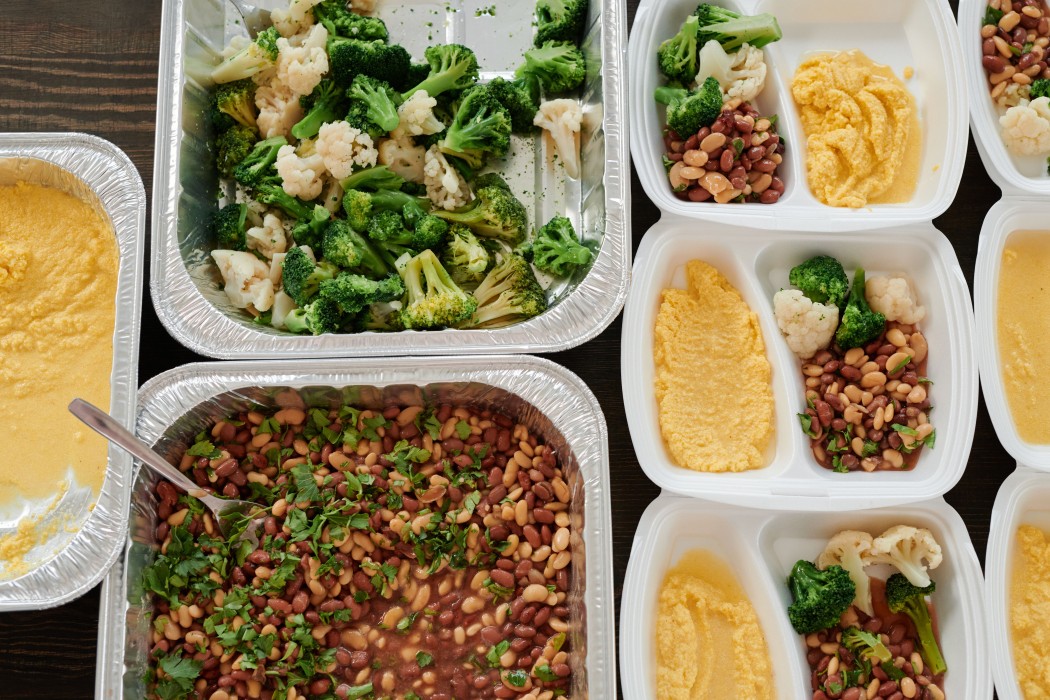
Photo source: openverse, Julia M Cameron
Meal planning for seniors is one of the easiest ways to stay healthy, save money and take the stress out of daily cooking. Whether you live alone, share a home with a partner or cook for visiting whānau, a simple plan means fewer last minute decisions and less wasted food.
Why Meal Planning Matters as We Age
Our bodies change as we get older. Appetite can shrink, and nutrients such as protein, calcium, vitamin D and fibre become more important. Planning ahead helps you get a good balance through the week. It also keeps your grocery bill in check, which is valuable when living on NZ Superannuation.
Start Small and Keep It Realistic
You do not need a complicated chart. Begin with three or four dinners a week and leave room for leftovers. Write your plan on a notepad and stick it on the fridge. Choose meals you already enjoy, such as vegetable soup, shepherd’s pie, grilled fish with kūmara or a simple omelette. Plan breakfast and lunch too, with easy options like porridge, eggs on toast or a hearty sandwich.
Build Balanced Plates
Fill half your plate with colourful vegetables, a quarter with protein such as chicken, eggs, fish or beans, and a quarter with wholegrain carbohydrates like brown rice, oats or wholemeal bread. Add dairy or fortified alternatives for bone health, and drink plenty of water through the day.
Shop Smart and Cook Once, Eat Twice
Use your plan to write a shopping list and stick to it. Choose seasonal New Zealand produce, which is often fresher and cheaper. Frozen vegetables and canned fish are affordable and nutritious. Batch cooking saves energy too. Make a large pot of casserole or soup, then freeze single portions for days when you do not feel like cooking.
Make It Easier
Try smaller portions, easy open containers and recipes with few steps. If getting to the shops is difficult, many supermarkets offer online ordering and delivery, and services such as Meals on Wheels can also help. Cooking with a friend or neighbour can make mealtimes more social as well.
Speak with your GP or a registered dietitian if you have health conditions or special dietary needs. With a little organisation, meal planning for seniors can be simple, enjoyable and rewarding. Even small steps, like planning next week’s dinners today, can make a real difference to your wellbeing.