Foods That Help Wounds Recover Faster for Older Kiwis

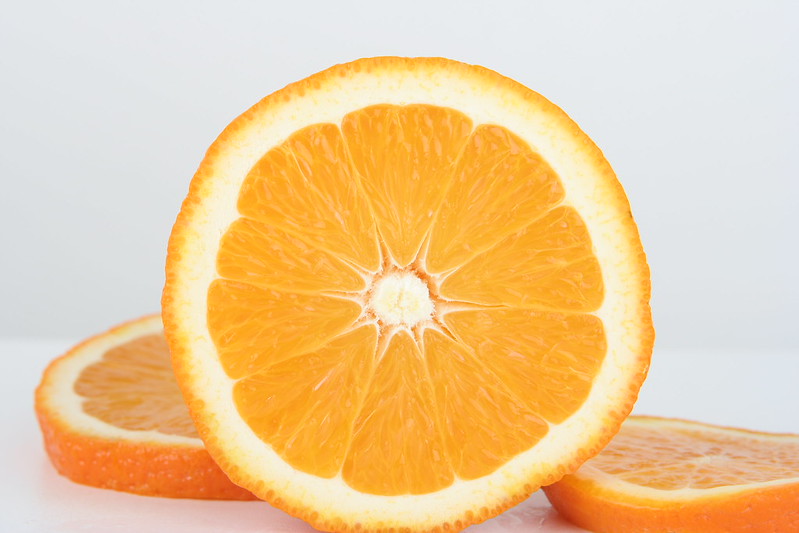
Photo source: openverse, KonstantinK, Flickr
Our skin becomes thinner and takes longer to repair itself as we age. A minor cut, graze or bruise that once healed in a few days can linger for weeks. While good wound care matters, what you eat plays a bigger role in recovery than many people realise. Here are the foods that can support your body’s natural healing process.
Protein for Rebuilding Tissue
Protein provides the building blocks your body uses to repair skin and muscle. Older adults often eat less protein than they need, which can slow healing. Good sources found in most New Zealand supermarkets include eggs, lean beef, lamb, chicken, fish, cottage cheese, Greek yoghurt and milk. Plant options such as lentils, chickpeas, beans and tofu also help. Try to include a serving of protein at every meal.
Vitamin C for Collagen
Vitamin C helps your body produce collagen, the fibre that holds new skin together. Kiwi fruit is a wonderful local choice, and one or two a day is an easy way to boost your intake. Oranges, mandarins, strawberries, capsicum, broccoli and tomatoes are also rich in this vitamin.
Zinc for Skin Repair
Zinc supports cell growth and helps fight infection. Many Kiwis do not get enough of it. Look for red meat, oysters, mussels, pumpkin seeds, wholegrain bread and cereals, and legumes. Green-lipped mussels are a great New Zealand option.
Vitamin A and Healthy Fats
Vitamin A supports the immune system and skin renewal. Carrots, kumara, pumpkin, spinach and eggs are excellent sources. Healthy fats from oily fish like salmon and sardines, along with avocado, olive oil and nuts, may help reduce inflammation around a wound.
Iron and B Vitamins
Iron helps carry oxygen to healing tissue, and you can find it in red meat, dark leafy greens and fortified cereals. Pairing iron-rich plant foods with vitamin C, such as spinach with a squeeze of lemon, helps your body absorb more of it. B vitamins from wholegrains, eggs and dairy support energy and cell repair.
Do Not Forget Water
Hydration keeps skin supple and helps nutrients travel to the wound site. Many seniors do not feel thirsty as often, so aim to sip fluids regularly through the day. Water, herbal tea, milk and soups all count.
A Few Practical Tips
Small, frequent meals can be easier if your appetite is low. Limit alcohol, as it can interfere with healing, and try to cut back on heavily processed foods. If you have diabetes, take particular care with your blood sugar, since high levels can slow recovery.