How to Tell If You’re Low on Iron

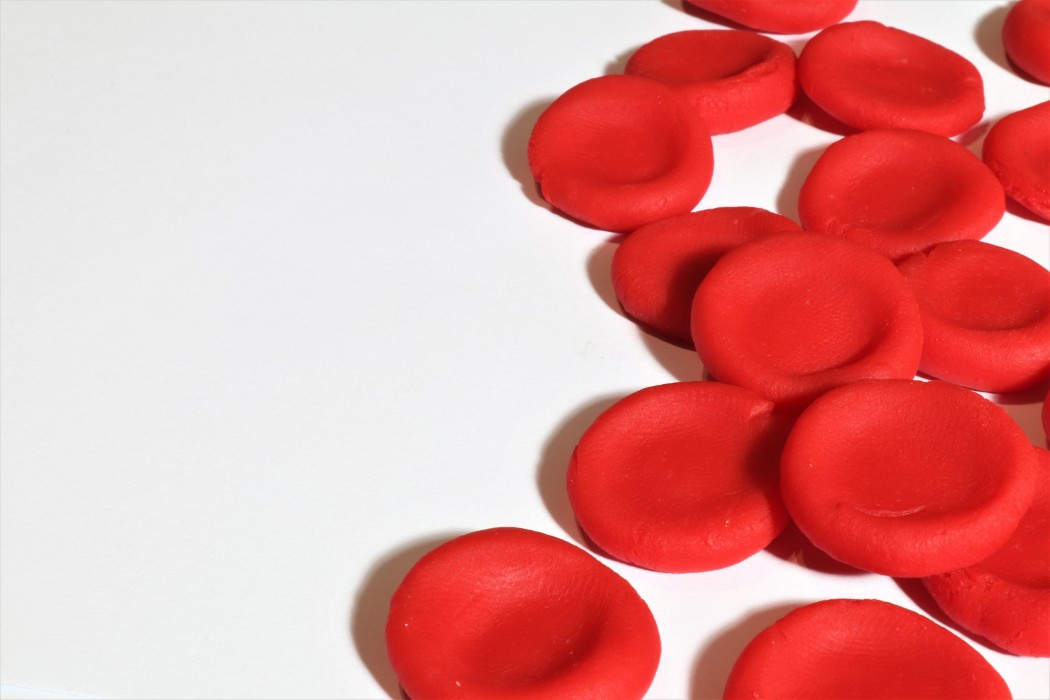
Photo source: Pexels
As we get older, staying on top of our health becomes even more important, and iron deficiency is one condition that often goes unnoticed in seniors. Iron plays a vital role in carrying oxygen throughout the body, so when levels drop, it can affect almost every part of daily life. For older adults in New Zealand, recognising the signs early can make a real difference to overall wellbeing.
One of the most common symptoms of iron deficiency is persistent tiredness. If you find yourself feeling exhausted even after a full night’s sleep, low iron could be a contributing factor. Fatigue linked to iron deficiency tends to feel different from ordinary tiredness, often described as a heavy, ongoing lack of energy that doesn’t improve with rest.
Pale skin is another telltale sign. Iron is essential for producing haemoglobin, the substance that gives blood its red colour. When iron levels fall, skin, gums and the inside of the lower eyelids can appear noticeably paler than usual.
Shortness of breath and a rapid heartbeat during everyday activities, such as climbing stairs or walking to the letterbox, may also point to low iron. Since the body struggles to transport enough oxygen, the heart works harder to compensate, which can leave you feeling breathless or lightheaded.
Cold hands and feet, brittle nails and unusual cravings for non-food items like ice are additional symptoms worth noting. Many seniors also experience headaches, dizziness or difficulty concentrating, sometimes described as brain fog, when iron levels are insufficient.
It is worth remembering that iron deficiency can develop gradually, meaning symptoms may be subtle at first and easy to dismiss as simply part of getting older. This is why regular check-ups with your GP are so valuable, particularly if you notice several of these signs together.
A simple blood test can confirm whether iron deficiency is present, and your doctor can recommend appropriate next steps based on your individual health needs. Diet, existing health conditions and certain medications can all influence iron levels, so professional guidance is important rather than self-diagnosing.
Staying informed about your body’s signals is one of the best ways to maintain independence and quality of life in your senior years. If something feels off, especially ongoing fatigue or breathlessness, do not hesitate to speak with your healthcare provider.