Diabetes and Your Eyesight: Warning Signs Not to Ignore

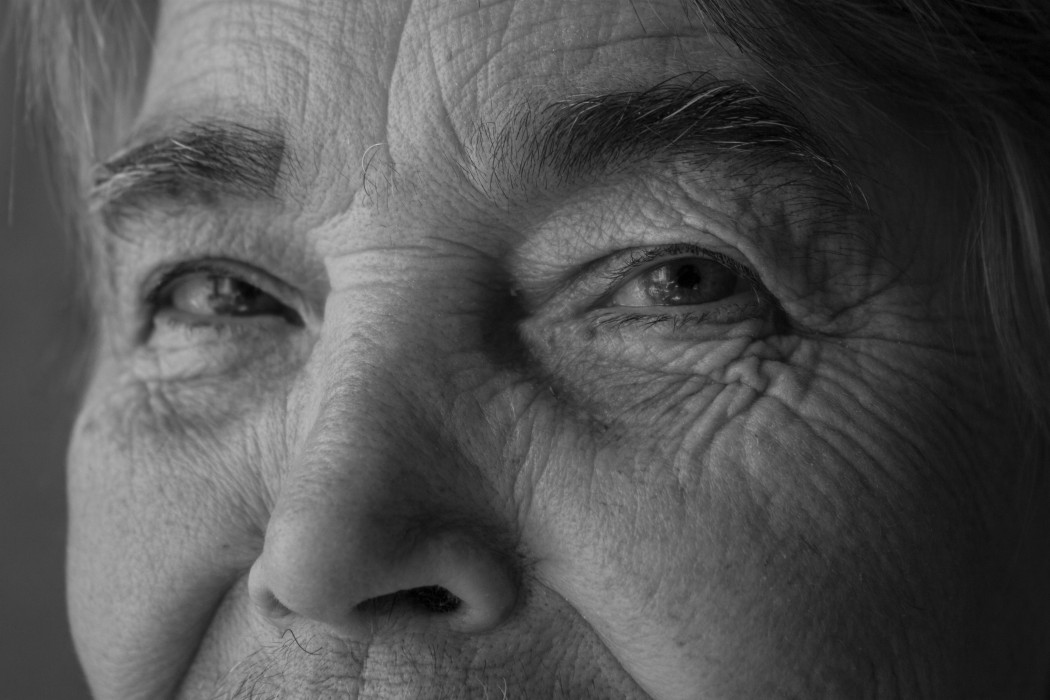
Photo source: openverse, Вениамин Курочкин
For many New Zealand seniors living with diabetes, eyesight is one of the most overlooked areas of health. High blood sugar levels can quietly damage the blood vessels in the eyes over many years, often without obvious symptoms in the early stages. This is why understanding the link between diabetes and eyesight is so important as we age.
One of the most common conditions is diabetic retinopathy, where damaged blood vessels in the retina leak fluid or blood. Left untreated, this can lead to significant vision loss or even blindness. Diabetes also increases the risk of cataracts and glaucoma, both of which can develop earlier and progress faster in people with the condition.
So what warning signs should older adults watch for? Blurred or fluctuating vision is often one of the first clues, especially if it seems to change with blood sugar levels. Dark spots or floaters drifting across your field of vision can also signal a problem, as can difficulty seeing at night or increased sensitivity to glare. Some people notice colours appearing faded or washed out, while others experience patchy or dark areas within their vision. Sudden vision loss in one eye is a medical emergency and requires immediate attention.
The tricky part is that diabetic eye disease can progress for years without any noticeable symptoms. That is why regular eye examinations are essential, not optional, for seniors managing diabetes. Optometrists recommend a comprehensive dilated eye exam at least once a year, even if your vision currently feels fine. Early detection allows for treatment options that can slow or even halt further damage.
Managing your general health also plays a major role in protecting your eyesight. Keeping blood sugar, blood pressure and cholesterol within healthy ranges reduces the strain on the delicate blood vessels in your eyes. Staying active, eating a balanced diet and attending regular check-ups with your GP all contribute to better long-term outcomes.
If you have diabetes and notice any changes to your vision, do not wait for your next scheduled appointment. Contact your optometrist or GP promptly. Vision loss from diabetes is often preventable when caught early, but damage that has already occurred cannot always be reversed.
Protecting the connection between diabetes and eyesight starts with awareness. By staying informed and proactive, New Zealand seniors can enjoy better eye health and greater independence for years to come.