Common Signs of Stress You Shouldn’t Ignore as You Age

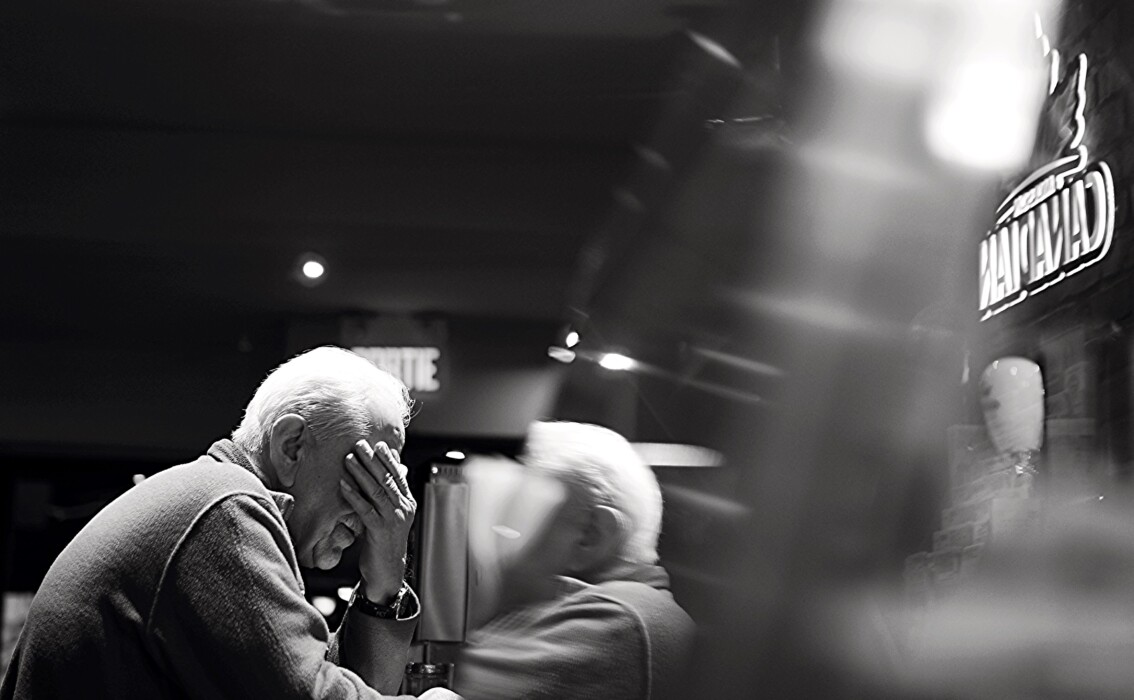
Photo source: Pexels
Growing older brings change, and change often brings stress. For many older New Zealanders, stress in seniors doesn’t always look like worry or panic. It can quietly show up in the body, in mood, or in daily habits, which is why it’s often missed or brushed aside as “just getting older.” Recognising the signs early can make a real difference to your wellbeing.
Physical signs to watch for
Stress often speaks through the body before the mind admits anything is wrong. Common physical signs include headaches, muscle tension, fatigue that doesn’t improve with rest, and changes in appetite. Some seniors notice more frequent colds or slower healing, since ongoing stress can affect the immune system. Sleep disturbances, such as trouble falling asleep or waking often through the night, are also common and worth mentioning to a doctor.
Emotional and behavioural changes
Stress can affect mood and outlook. Irritability, feeling overwhelmed by small tasks, or a general sense of unease are all worth paying attention to. Some people withdraw from friends, family, or activities they usually enjoy. Others may notice trouble concentrating or making decisions that once felt simple. These shifts can be subtle at first, so it helps to check in with yourself regularly or ask a loved one if they’ve noticed any changes in you.
Why stress affects seniors differently
As we age, the body’s ability to bounce back from stress can slow down. Life changes such as retirement, loss of a partner or friends, health concerns, or reduced independence can all add pressure. In New Zealand, isolation can be a particular concern for seniors living rurally or far from family, which can heighten stress levels over time.
If stress is affecting your sleep, relationships, or ability to manage daily life, it’s worth speaking with your GP or a trusted health professional. Support is also available through community groups, local Age Concern branches, and seniors’ wellbeing programmes across New Zealand. You don’t need to manage stress alone, and reaching out is a sign of strength, not weakness.
Staying connected, keeping active, and maintaining a routine can all help manage stress naturally. Paying attention to how your body and mind respond to daily pressures is one of the simplest ways to protect your long-term wellbeing.