How Ageism Affects Mental Health

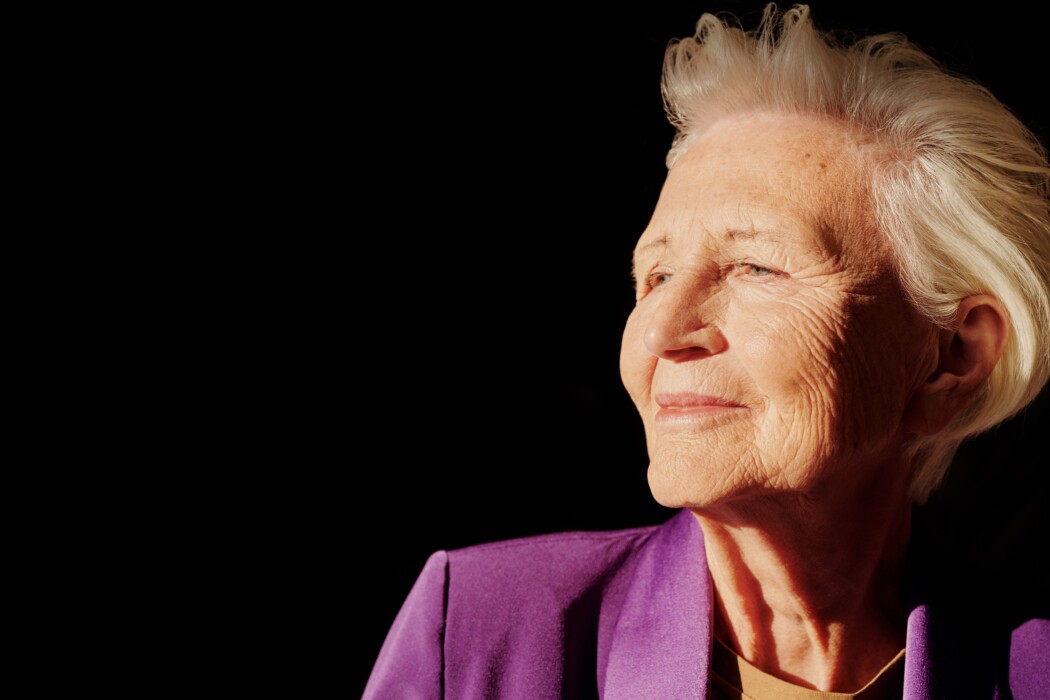
Photo source: openverse, Moe Magners
Ageism is one of the most common yet least discussed forms of discrimination faced by older New Zealanders. It shows up in small comments, workplace decisions, media portrayals, and even in everyday conversations that assume older people are less capable or less relevant. While it may seem harmless on the surface, ageism can have a real and lasting impact on mental health and wellbeing.
What Ageism Looks Like
Ageism can be subtle, such as being spoken to slowly or being left out of conversations about technology, or more direct, such as being overlooked for jobs or volunteer roles because of age. Media and advertising often reinforce these stereotypes by showing older adults as frail, forgetful, or out of touch. Over time, repeated exposure to these messages can shape how seniors see themselves.
The Mental Health Connection
When older adults regularly encounter ageist attitudes, it can lead to lowered self-esteem, increased anxiety, and a sense of isolation. Some seniors begin to internalise these negative beliefs, which may result in reduced confidence to try new activities, connect socially, or seek healthcare when needed. This kind of self-doubt can quietly contribute to loneliness and even depression, particularly for those already living alone or managing health conditions.
Ageism can also affect how seriously health concerns are taken. Symptoms may be dismissed as simply part of getting older, rather than being properly investigated, which can leave seniors feeling unheard and frustrated.
Protecting Your Wellbeing
Recognising ageism is the first step in reducing its impact. Staying connected with community groups, whanau, and friends helps counter feelings of isolation. Engaging in activities that build confidence, whether learning a new skill or joining a local club, can also challenge negative stereotypes about ageing. It helps to speak up when ageist comments occur, calmly and clearly, as this can shift attitudes over time.
Seeking support from a GP, counsellor, or trusted community organisation is also valuable if feelings of low mood or anxiety persist. Mental health support is available at every stage of life, and asking for help is a sign of strength, not weakness.
Ageism is often overlooked, but its effects on mental health are real. By recognising it, staying socially connected, and seeking support when needed, New Zealand seniors can protect their emotional wellbeing and continue to live full, confident lives.