Do You Really Need a Vitamin D Supplement?

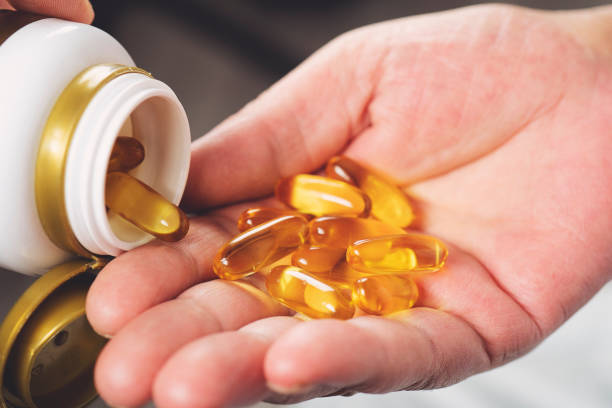
Photo source: iStock
Vitamin D gets a lot of attention, particularly when winter arrives. You may have seen supplements at the chemist or heard that older adults should be taking them. But a vitamin D supplement isn’t automatically necessary for everyone.
Your body needs vitamin D to help keep your bones and muscles healthy. Most people make much of their vitamin D when their skin is exposed to sunlight, while smaller amounts come from foods such as oily fish and egg yolks.
For many healthy New Zealanders, ordinary time spent outdoors is enough. The amount of sunlight needed varies depending on the season, where you live, your age, and your skin type. Healthify recommends sensible sun exposure rather than deliberately spending long periods in strong sunlight.
Some older people are more likely to have low vitamin D levels. This includes people who spend most of their time indoors or are housebound, as well as people with darker skin and those living in southern parts of New Zealand during winter. People with certain medical conditions or taking particular medicines may also be at higher risk.
That doesn’t mean you should simply buy a high-dose supplement. Healthify says vitamin D supplements aren’t recommended for most New Zealanders and are mainly useful for people who are at risk of deficiency. Taking too much vitamin D over a long period can cause harmful calcium build-up and damage the kidneys and heart.
Instead, think about your own routine. Do you regularly get outside during the day? Do you spend most of your time indoors? Have you recently become less mobile? These are useful things to mention to your doctor or nurse practitioner if you’re wondering whether you might need additional vitamin D.
Food can contribute, too. Oily fish such as salmon, sardines, and mackerel contain vitamin D, while some milks, yoghurts, and margarines have vitamin D added to them.
Vitamin D is important, but more isn’t necessarily better. Rather than automatically adding another tablet to your daily routine, consider your lifestyle and talk to a healthcare professional if you’re concerned about deficiency. A little informed advice is much better than guessing.