Frailty Isn’t Inevitable: Separating Myths from Facts

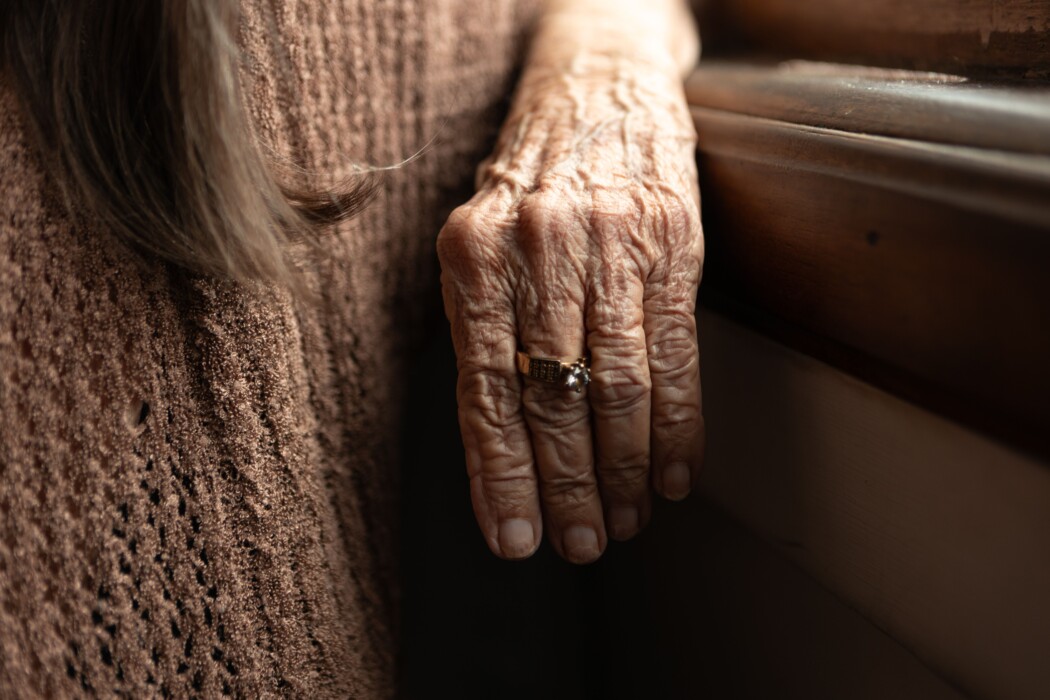
Photo source: Pexels
Many New Zealanders believe that frailty is simply something that happens as we grow older. This is one of the most common misconceptions about ageing, and it is not entirely true. While frailty does become more common with age, it is not an unavoidable outcome. Understanding what frailty really is can help seniors and their whanau take steps to prevent or manage it.
Myth: Frailty is just old age
Frailty is actually a medical condition, not a natural stage of life. It is defined by a noticeable decline in strength, energy, and overall physical resilience, making everyday tasks harder to manage. Many older adults remain active, strong, and independent well into their eighties and nineties, showing that age alone does not determine frailty.
Myth: Nothing can be done once frailty sets in
Research shows that frailty can often be slowed and, in some cases, even reversed, particularly when identified early. Regular physical activity, especially strength and balance exercises, plays a major role in maintaining muscle mass and mobility. Simple activities like walking, gardening, or gentle resistance training can make a real difference over time.
Myth: Frailty is only about physical weakness
While reduced strength and slower movement are common signs, frailty can also involve fatigue, unintentional weight loss, and reduced activity levels. Nutrition plays a key role here. Older adults in New Zealand are encouraged to maintain a balanced diet with adequate protein, as this supports muscle health and recovery.
Myth: Frailty cannot be prevented
Prevention is possible through a combination of lifestyle choices. Staying socially connected, keeping the mind active, managing existing health conditions, and attending regular check-ups with a GP all contribute to reducing frailty risk. Local community programmes and Age Concern services across New Zealand also offer support for seniors wanting to stay active and engaged.
Taking the Next Step
Understanding frailty is the first step toward preventing it. Seniors who stay physically active, eat well, and remain socially engaged often experience better health outcomes as they age. Frailty does not have to define the later years of life. With the right knowledge and small daily habits, older New Zealanders can continue to live full, independent, and active lives.
If you or a loved one are concerned about signs of frailty, speaking with a healthcare professional is a good starting point toward better health and wellbeing.