Understanding Age-Related Nail Changes: What’s Normal, What’s Not

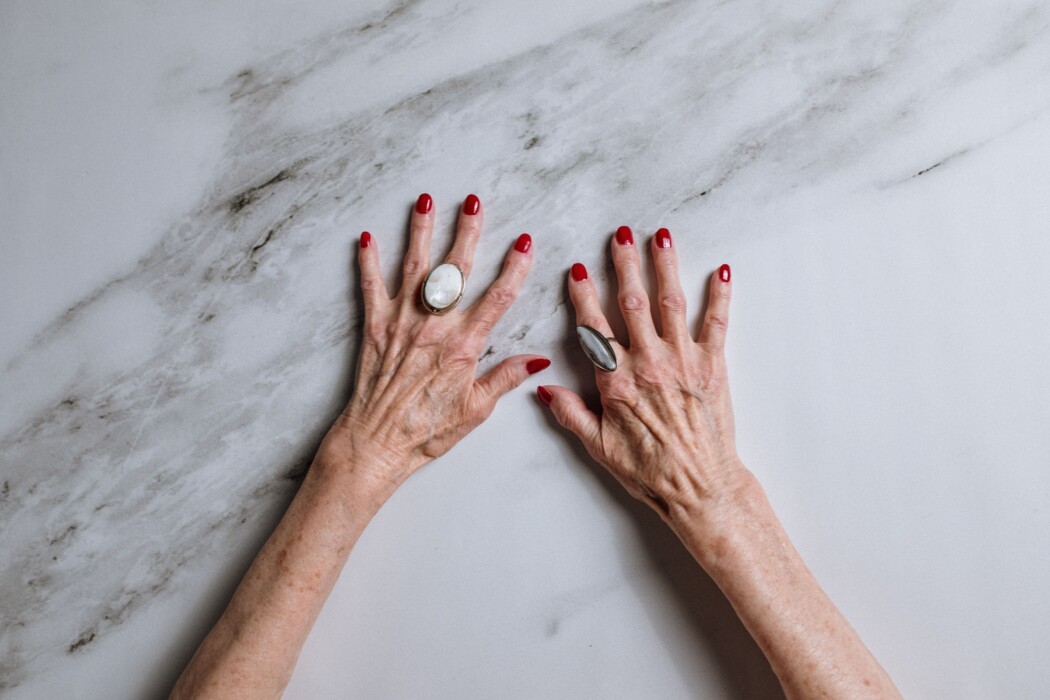
Photo source: Pexels
As we grow older, our bodies change in many ways, and our nails are no exception. For seniors across New Zealand, noticing changes in nail texture, colour, or shape can be a little alarming. The good news is that most age-related nail changes are completely normal. Understanding what to expect can help you maintain good nail health and know when it might be time to see a doctor or podiatrist.
What’s Normal
With age, nails naturally grow slower and become thicker, especially toenails. They may also appear more brittle, develop ridges running lengthwise, or lose some of their shine. This happens because nail cells regenerate more slowly over time, and blood circulation to the fingers and toes can reduce slightly. Dryness is common too, since skin and nails produce less natural oil as we age. These changes are simply part of the ageing process and are not usually a cause for concern.
What’s Not Normal
While many changes are harmless, some signs deserve closer attention. Watch out for nails that become significantly discoloured, particularly yellow, green, or black patches, as this could indicate a fungal infection or other underlying issue. Nails that separate from the nail bed, become unusually thick and painful, or change shape dramatically, such as curving inward, should also be checked. Swelling, bleeding, or pain around the nail bed may point to an infection that needs treatment. In some cases, nail changes can reflect broader health conditions like diabetes, poor circulation, or thyroid problems, so it is worth mentioning any sudden changes to your GP.
Caring for Your Nail Health
Good nail health starts with simple daily habits. Keep nails clean and trimmed straight across to avoid ingrown nails. Moisturise hands and feet regularly to prevent dryness and cracking. Wear well fitted shoes to reduce pressure on toenails, and avoid walking barefoot in public areas to lower the risk of fungal infections. A balanced diet rich in protein, vitamins, and minerals also supports strong, healthy nails from the inside out.
When to Seek Help
If you notice persistent pain, unusual colour changes, or signs of infection, it is best to consult a healthcare professional rather than waiting for the issue to resolve on its own.
Taking a little time to care for your nails each week can go a long way. By understanding these changes, seniors can maintain better nail health and overall wellbeing well into their later years.