Iron Deficiency Isn’t Just a Problem for Younger People

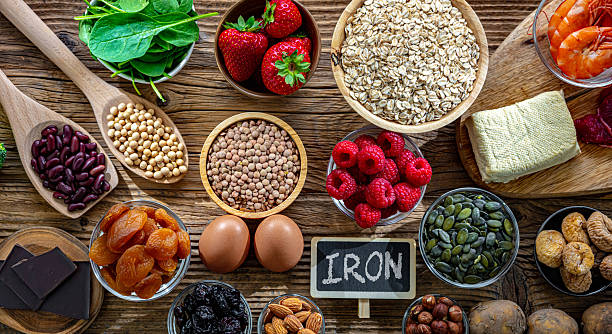
Photo source: iStock
Feeling tired every now and then is part of life. However, if you’re constantly low on energy, becoming breathless during everyday activities, or finding it harder to concentrate than usual, it may be worth asking your GP whether iron deficiency could be playing a role. Although it’s often associated with younger women, iron deficiency can affect older adults as well.
Iron is essential for producing haemoglobin, the protein in red blood cells that carries oxygen around the body. When your iron levels are too low, your body has to work harder to deliver oxygen to your muscles and organs, which can leave you feeling unusually fatigued.
The symptoms often develop gradually. Along with tiredness, you might notice reduced stamina, dizziness, headaches, pale skin, or feeling colder than usual. Some people also experience restless legs or find it more difficult to concentrate. Because these symptoms can have many different causes, it’s important not to assume iron deficiency is the reason without proper assessment.
In older adults, low iron levels may result from an iron-poor diet, reduced absorption, certain medications, or blood loss from the digestive tract. That’s why persistent iron deficiency should always be investigated rather than simply treated with supplements.
Good dietary sources of iron include lean red meat, poultry, seafood, beans, lentils, spinach, and iron-fortified breakfast cereals. Eating foods rich in vitamin C, such as citrus fruit, kiwifruit, or capsicum, alongside iron-rich meals can help your body absorb the mineral more effectively.
Avoid starting iron supplements unless they’re recommended by your GP or another healthcare professional. Taking iron when you don’t need it can cause side effects and may delay the diagnosis of an underlying health condition that requires treatment.
If fatigue has become part of your everyday life, a conversation with your GP could help identify the cause and get you back to feeling more like yourself.