Small Changes Can Help You Cut Back on Salt

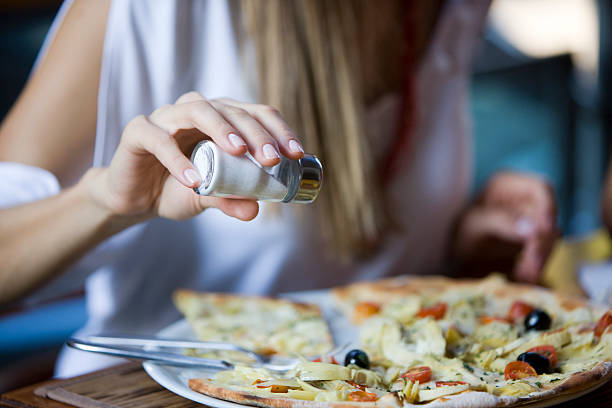
Photo source: iStock
Salt adds flavour to our favourite meals. The challenge is that many of us eat far more than we realise. It’s not only the salt we sprinkle over dinner that matters. A large proportion comes from packaged and processed foods, including bread, breakfast cereals, soups, sauces, and ready-made meals.
Too much salt can contribute to high blood pressure, which increases the risk of heart disease and stroke. Reducing your intake doesn’t mean food has to become bland. In fact, your taste buds often adapt over time, making it easier to enjoy foods with less added salt.
One of the simplest changes is to taste your food before reaching for the salt shaker. You may find it doesn’t need any extra seasoning. When you’re cooking, try adding flavour with herbs, spices, garlic, ginger, lemon juice, or black pepper instead. These ingredients can add plenty of character without increasing your sodium intake.
Reading food labels is another helpful habit. Products that seem healthy can sometimes contain surprising amounts of salt. Comparing similar items at the supermarket may help you find lower-sodium options without changing the foods you already enjoy.
Preparing more meals at home also gives you greater control over what goes into your food. Even making one or two extra home-cooked meals each week can reduce your reliance on highly processed options. If you do buy canned vegetables or beans, rinsing them under water before use can help remove some of the added sodium.
If you’ve been advised to follow a low-salt diet because of high blood pressure, heart disease, or kidney disease, continue to follow the advice of your GP or dietitian. They can help you make changes that are appropriate for your individual health needs.