Men and Osteoporosis: What Every Man Should Know

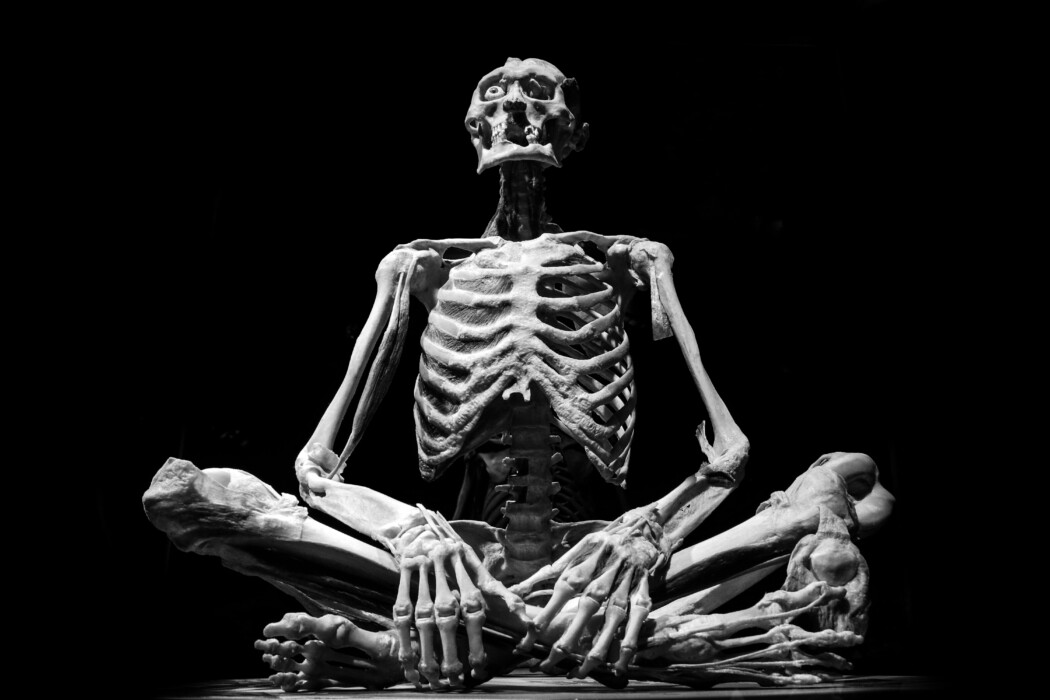
Photo source: openverse, Flickr
When people consider osteoporosis, they usually picture older women. This is understandable, since women are diagnosed with the condition more often. But osteoporosis is not just a women’s health issue. Millions of men also live with weakened bones, and many do not find out until they suffer a serious fracture. Understanding men and osteoporosis is an important step toward protecting long-term health and independence.
What Is Osteoporosis?
Osteoporosis is a condition in which bones lose density and strength over time. Healthy bone is constantly being broken down and rebuilt in a natural cycle. As people age, this rebuilding process slows down, and bones can become thin, brittle, and more likely to break. Even a minor fall or bump can lead to a fracture in someone with advanced osteoporosis.
Why Men Are Often Overlooked
Osteoporosis tends to develop later in men than in women, largely because men generally start out with higher bone density and do not experience the rapid hormonal changes that come with menopause. However, this fact does not mean men are protected. By the time many men are diagnosed, the condition has already progressed significantly. Because awareness is lower, men are less likely to be screened, less likely to be diagnosed early, and sometimes less likely to receive proper treatment after a fracture occurs.
Risk Factors for Men
Several factors can increase a man’s chances of developing osteoporosis. These include growing older, having a family history of the condition, low testosterone levels, long-term use of certain medications such as corticosteroids, excessive alcohol consumption, smoking, a diet low in calcium and vitamin D, and a sedentary lifestyle. Certain medical conditions, such as thyroid disorders, digestive diseases, and some cancers, can also contribute to bone loss.
Signs to Watch For
Osteoporosis is often called a silent condition because it typically causes no symptoms until a fracture happens. Some general signs that may suggest weakening bones include a noticeable loss of height over time, a stooped or hunched posture, back pain that develops without a clear injury, and bones that break more easily than expected. Because these signs can be subtle, many men do not realise anything is wrong until a fall leads to a broken hip, wrist, or spine.
The Importance of Screening
Bone density testing is a simple and painless way to assess bone health. While screening guidelines have traditionally focused on women, many health organisations now recommend that men discuss bone health with their doctor as they age, particularly if they have risk factors. A conversation with a healthcare provider can help determine whether testing is appropriate.
Supporting Bone Health
There are everyday habits that can help support strong bones throughout life. Getting enough calcium and vitamin D through diet or supplements, as recommended by a doctor, supports bone strength. Regular weight-bearing exercise, such as walking, hiking, or strength training, helps stimulate bone formation. Limiting alcohol intake and avoiding tobacco use also play an important role. Maintaining a healthy body weight and staying active can further reduce the risk of falls and fractures.
Final Thoughts
The topic of men and osteoporosis deserves more attention than it typically receives. Bone health is an essential part of overall wellness for men as well as women, and awareness is the first step toward prevention. By understanding the risk factors, recognising the warning signs, and talking openly with a doctor, men can take meaningful steps to protect their bones and maintain their independence as they age.