Looking Back Without Regret: Embracing Your Life Story

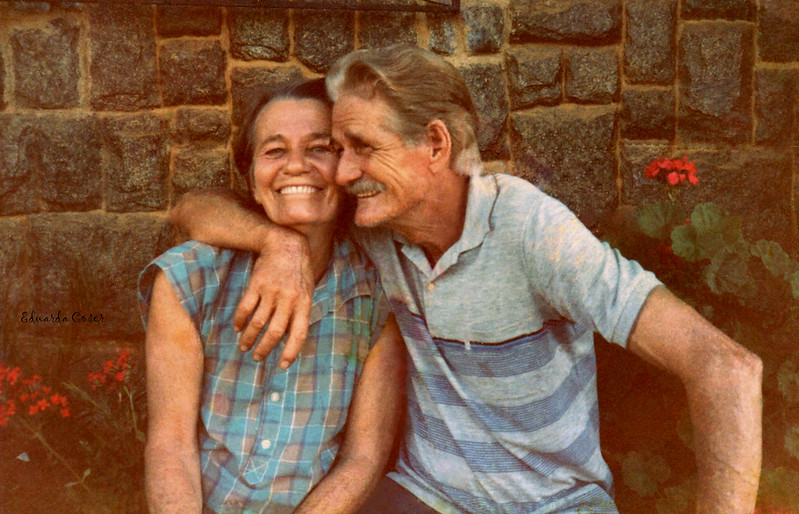
Photo source: openverse, Eduarda Coser, Flickr
There is a particular kind of quiet that comes with age. It shows up on a rainy afternoon, or right before sleep, when the mind wanders back through the years. Old friends. First jobs. Children when they were small. A house you don’t live in anymore. For many of us, this looking back brings warmth. For others, it brings a nagging voice that says, “You should have done things differently.”
If that second voice sounds familiar, you are not alone. Almost everyone carries a few “what ifs”, but there is a real difference between remembering your life and judging it. One brings peace. The other steals it. This is an invitation to choose the first.
Your Story Was Never Meant to Be Perfect
Somewhere along the way, many of us picked up the idea that a good life is a tidy one. No wrong turns. No wasted years. No regrets. But think about any story you have ever loved, in a book or a movie. The interesting ones are never tidy. They are full of mistakes, detours, and hard lessons that shape the person the character becomes.
Your life is the same kind of story. The job that didn’t work out may have led you to the one that did. The relationship that ended may have taught you exactly what you needed to know before the one that lasted. Even the choices you still wince at were made by a younger version of you, doing the best they could with what they knew at the time.
That is worth repeating: you did the best you could with what you knew then. Judging your past self by what you know now is not fair, and it never has been.
The Difference Between Reflection and Rumination
Reflection is looking at your past with curiosity and care. Rumination is replaying it on a loop, hoping for a different outcome that will never come. Reflection asks, “What did that experience teach me?” Rumination only asks, “Why didn’t I do better?”
One helpful trick is to talk to yourself the way you would talk to a close friend. If a friend told you about a mistake they made thirty years ago, would you scold them for it today? Almost certainly not. You would probably remind them how much they have grown since then and how human it is to get things wrong sometimes. Try offering yourself that same gentleness.
Try Telling Your Story Out Loud
Many people find that speaking about their past, rather than just replaying it silently in their heads, changes how it feels. A memory kept alone in your mind can grow heavier over time. The same memory, shared with someone else, often becomes lighter. It becomes a story instead of a wound.
Consider sharing your memories with a grandchild, a friend, or even in a journal. You might be surprised by what comes up. Often, the stories we were most afraid to tell turn out to be the ones that matter most, both to us and to the people listening. Some families even find joy in recording these stories, whether in a scrapbook, a letter, or a simple recording on a phone. Your grandchildren may treasure it more than you expect.
Regret Often Hides Something Else
Sometimes what feels like regret is actually grief. Grief for time that has passed, for people who are gone, for a version of life you once imagined but didn’t get. That kind of feeling deserves compassion, not correction. You cannot fix grief the way you might try to fix a regret. You can only sit with it, honour it, and let it soften with time.
If you notice that certain memories bring up sadness that feels heavy or constant, it can help to talk with someone you trust, whether that is a friend, a family member, or a counsellor. There is no rule that says we have to carry these feelings alone.
Gratitude for the Whole Story
At the end of the day, your life is not made up of only the good chapters or only the hard ones. It is made up of all of them together, and that is exactly what makes it yours. The struggles gave you strength. The joys gave you meaning. The mistakes gave you wisdom you can now pass along to others.
You do not need a perfect past to have a peaceful present. You simply need the willingness to look back with kindness instead of judgement. Your story, with every twist and turn, brought you here. And here, today, is worth appreciating.
So the next time your mind wanders back through the years, try greeting those memories like old friends rather than critics. Thank them for what they taught you. Then let yourself return to today, a little lighter, and a little more at peace with the beautifully imperfect story that is your life.