Improving Lighting Throughout Your Home as Your Eyes Change

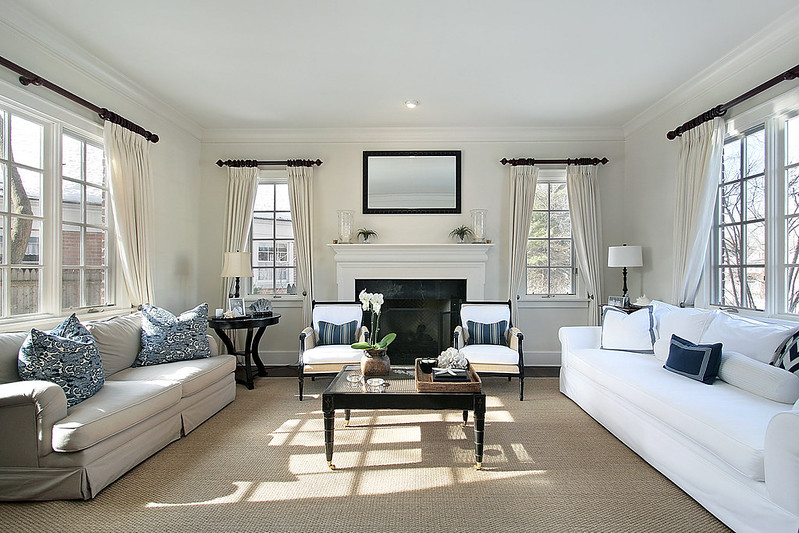
Photo source: openverse, sparamio, Flickr
If you’ve noticed you need to squint a little more to read the newspaper, or you turn on extra lamps just to see the stove clearly, you’re not imagining things. Our eyes change as we age, and the amount of light we need to see comfortably changes right along with them. In fact, many experts note that people in their sixties often need two to three times more light than they did in their twenties to see the same task just as well.
The good news is that better lighting doesn’t require a full renovation. With a few thoughtful changes, you can make your home brighter, safer, and a lot more comfortable to live in.
Why Lighting Needs Change With Age
As we get older, several things happen inside the eye. The pupil doesn’t open as wide, so less light reaches the retina. The lens becomes less clear and a bit yellowed, which can dull colours and make contrast harder to see. Many people also develop some sensitivity to glare, so a light that once felt pleasant might now feel harsh or cause discomfort.
None of this means something is wrong with you. It’s simply part of how eyes age, and it’s very common. Understanding this can help you make smarter choices about the lighting in your home rather than just living with rooms that feel dim or spaces where you have to move slowly out of caution.
Start With the Rooms That Matter Most
You don’t have to overhaul every room in the house at once. Focus first on the spaces where good lighting matters most for safety and daily comfort.
Stairways and hallways. These are common spots for falls, especially when the lighting is uneven or there are shadowy areas. Make sure every step is well lit, and consider adding light switches at both the top and bottom of any staircase so you never have to walk in the dark to reach one.
The kitchen. Cooking involves sharp knives, hot surfaces, and reading small print on labels or recipes. Bright, even lighting over the stove, sink, and countertops can make a real difference in both safety and enjoyment while cooking.
The bathroom. Between reading medicine labels and stepping in and out of the tub or shower, this is another high-stakes room. Good lighting around the mirror and inside the shower area helps prevent accidents.
Reading and hobby areas. Wherever you sit to read, do puzzles, sew, or work on a favourite hobby, a dedicated task light nearby can reduce eye strain significantly.
A Few Small Changes Add Up
You don’t need to do everything at once. Start with one room, perhaps the one that feels darkest or where you spend the most time, and build from there. Small changes, like swapping a bulb, adding a lamp, or installing a night light, can make a noticeable difference in how confident and comfortable you feel moving through your home.
Good lighting isn’t just about seeing better. It’s about being able to read your favourite book without strain, cook a meal without worry, and move through your home safely at any hour. Taking the time to brighten your space is a simple way to take care of yourself, and it’s worth the small effort it takes.
If you have concerns about changes in your vision, it’s also a good idea to schedule a visit with an eye doctor. Some vision changes are a normal part of ageing, but others may need attention, and a professional can help you understand the difference.