These Mistakes Might Throw Your Blood Pressure Out of Balance

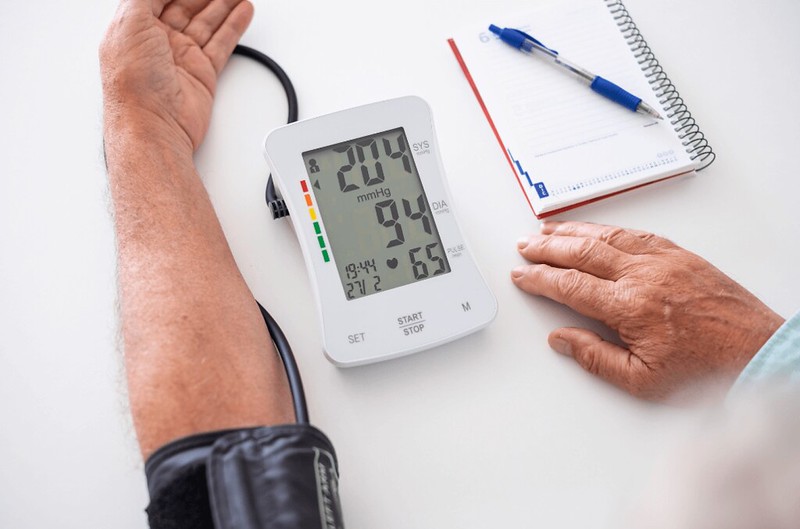
Photo source: openverse, Imran Yousaf, Flickr
If you’ve ever left a doctor’s appointment with a blood pressure number that surprised you, you’re not alone. So many of us think we’re doing everything right, and yet the numbers still creep up or bounce around. The truth is, blood pressure is sensitive to daily habits in ways that aren’t always obvious. Let’s walk through some of the most common mistakes people make and what you can do instead.
Skipping Medication When You “Feel Fine”
This is probably the most common mistake we see. Blood pressure medication doesn’t always come with symptoms to remind you it’s working, so it’s easy to think, “I feel great, maybe I don’t need this today.” But high blood pressure is often called the “silent” condition for a reason. It rarely announces itself with warning signs, even when it’s doing damage. Skipping doses, even occasionally, can cause your numbers to swing and put extra strain on your heart and blood vessels. If a medication is bothering you or you’re thinking about stopping it, talk to your doctor first rather than deciding on your own.
Measuring Blood Pressure the Wrong Way
Home monitors are wonderful tools, but a lot of people get inaccurate readings without realising it. Talking during the reading, having your legs crossed, a full bladder, or resting your arm below heart level can all throw off the number. Even having your back unsupported can raise the reading. Try to sit quietly for five minutes beforehand, keep your feet flat on the floor, and rest your arm on a table at roughly heart height. Small adjustments like these can make a real difference in getting an accurate picture.
Underestimating Salt in Everyday Foods
Most of us know to go easy on the salt shaker, but the bigger culprit is often hiding in plain sight. Canned soups, deli meats, bread, condiments, and even some breakfast cereals can be surprisingly high in sodium. It adds up quickly without you noticing. Reading nutrition labels and choosing “low sodium” versions when you can is one of the simplest ways to protect your numbers.
Not Drinking Enough Water
Dehydration can cause blood pressure to become unstable, sometimes dropping too low and causing dizziness, and other times causing your heart to work harder to keep things flowing. As we get older, our sense of thirst tends to weaken, so we don’t always notice when we need fluids. Keeping a water bottle nearby and sipping throughout the day, rather than waiting until you feel thirsty, can help keep things steady.
Standing Up Too Quickly
Ever felt a wave of dizziness after getting out of bed or standing up from a chair? That’s often a sign of a blood pressure drop called orthostatic hypotension, and it becomes more common with age. The fix is simple: give your body a moment. Sit on the edge of the bed for a few seconds before standing, and pause again once you’re up before walking off.
Overdoing Caffeine or Alcohol
A cup of coffee here and there is generally fine for most people, but too much caffeine can cause temporary spikes in blood pressure. Alcohol is similar. A small amount may not cause harm, but drinking more than recommended can raise blood pressure over time and interfere with medications. Moderation really is the key word here.
Letting Stress Go Unchecked
Stress causes your body to release hormones that temporarily raise blood pressure, and if stress becomes a constant companion rather than an occasional visitor, those temporary spikes can start to add up. This one is often overlooked because it feels less “medical” than diet or exercise. Simple things like a short walk, deep breathing, time with a friend, or a favourite hobby can genuinely help calm the body’s stress response.
Not Moving Enough
It’s tempting to think rest is always the safest choice, especially if you’re managing other health concerns. But gentle, regular movement, like walking, light stretching, or swimming, helps keep blood vessels flexible and supports healthy circulation. You don’t need to run a marathon. Even a daily walk around the block can make a noticeable difference over time.
Forgetting That Sleep Matters
Poor sleep, or conditions like sleep apnoea that go undiagnosed, are closely linked to blood pressure problems. If you’re waking up tired, snoring loudly, or feeling unrested no matter how many hours you sleep, it’s worth mentioning to your doctor. Good sleep isn’t a luxury; it’s part of the picture.
Blood Pressure Isn’t Something You Manage Once and Forget About
Your blood pressure responds to what you eat, how you move, how you sleep, and even how you’re feeling emotionally. The good news is that most of these mistakes are easy to correct once you know about them. Small, consistent changes tend to matter far more than any single big effort.
As always, this article is meant to inform, not replace medical advice. If you have concerns about your blood pressure, reach out to your doctor. They know your history and can guide you toward what’s right for you.