What Your Nails Are Trying to Tell You: A Simple Guide to Nail Health

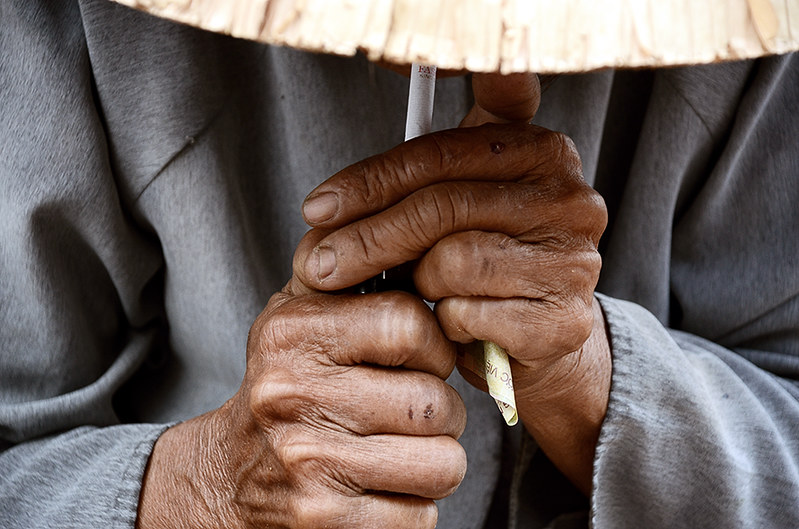
Photo source: openverse, Lana Ferovic, Flickr
Most of us look at our nails maybe twice a day, once when we’re clipping them and once when we’re wondering why the polish chipped so fast. We rarely stop to really look at them. But your nails can tell you quite a bit about what’s going on inside your body, sometimes before other symptoms even show up. Paying attention to nail health is one of the easiest ways to keep an eye on your overall wellbeing as you age.
Think of your nails as a quiet messenger. They grow slowly, about a tenth of an inch a month for fingernails, so any change you see today often reflects something that started weeks or even months ago. That makes them a helpful, low-key way to keep tabs on your health, especially as we get older and our bodies change in new ways.
Here’s a friendly walk through some of the most common nail changes and what they might mean.
Ridges Running Lengthwise
If you notice fine vertical lines running from the base of your nail to the tip, take a breath. This is one of the most common changes that comes with age, and it’s usually nothing to worry about. As we get older, our nail cells don’t turn over quite as smoothly as they used to, and those small ridges are often just a normal part of the process, much like the fine lines we develop elsewhere. They can become more noticeable over time, but they are rarely a sign of disease.
Ridges Running Across the Nail
Horizontal ridges are a different story and worth paying more attention to. These are sometimes called Beau’s lines, and they can appear after the body goes through some kind of stress, such as an illness, a high fever, surgery, or even a period of poor nutrition. The ridge marks the point where nail growth paused briefly before starting up again. If you notice one of these lines, think back to whether you were sick or under significant stress a few months ago. If you can’t connect it to anything and it keeps happening, it’s worth mentioning to your doctor.
Nails That Look Pale or Whitish
Nails that lose their healthy pink colour and take on a pale, washed-out look can sometimes point to anaemia, which is a shortage of healthy red blood cells. This is fairly common among older adults and is usually easy to treat once it’s identified. Pale nails can also simply come with age as circulation slows down a bit, so this isn’t an automatic cause for alarm, but it’s a good reason to get your blood checked at your next visit.
Yellowing Nails
A slight yellow tint is often nothing more than the result of nail polish, especially darker shades worn for a long stretch without a break. But if the yellowing is more pronounced, or if the nails also seem to thicken or crumble, a fungal infection could be the cause. Fungal infections become more common with age since nails naturally grow slower and are more prone to picking up infections. The good news is that these are treatable, though patience is needed since nails take a while to grow out fully healthy again.
Nails That Curve Downward or Look Like Spoons
Nails that dip inward, almost like a small spoon, can sometimes be linked to an iron deficiency. This shape change, known as koilonychia, is worth flagging to your doctor, particularly if you’ve also been feeling unusually tired or short of breath.
On the flip side, nails that curve significantly upward and bulge at the fingertip, sometimes called clubbing, can be connected to lung or heart conditions. This one is less common and tends to develop gradually, so it’s easy to miss unless you’re specifically looking for it.
Dark Lines or Spots Under the Nail
A thin, dark vertical line running under the nail deserves attention, especially if it’s new and appears on just one nail. Sometimes this is simply the result of a minor injury you may not even remember, and the discoloration will grow out over time. But because it can occasionally be a sign of a skin condition that needs prompt care, it’s always worth having a doctor take a look rather than waiting to see if it fades on its own.
Brittle, Splitting Nails
If your nails have started splitting, peeling, or breaking more easily than they used to, several everyday culprits could be behind it. Frequent hand washing, dry winter air, or long stretches without moisturiser can all dry nails out. Thyroid changes, which become more common with age, can also make nails more brittle. A simple habit of keeping nails trimmed short, moisturising them along with your hands, and wearing gloves for dishwashing or gardening can go a long way toward strengthening them again.
When to Check In With Your Doctor
Most nail changes are harmless and simply part of getting older. But it’s worth scheduling a visit if you notice a change that came on suddenly, involves pain or swelling, affects only one nail while the others look normal, or sticks around for several weeks without any clear explanation. Trust your gut. You know your body better than anyone, and a quick conversation with your doctor can offer real peace of mind.
Your nails may be small, but they’re surprisingly good at keeping you informed. A little attention to nail health now and then is an easy, low-effort way to stay in tune with your overall health.