Getting Over Jet Lag and Getting On With the Adventure

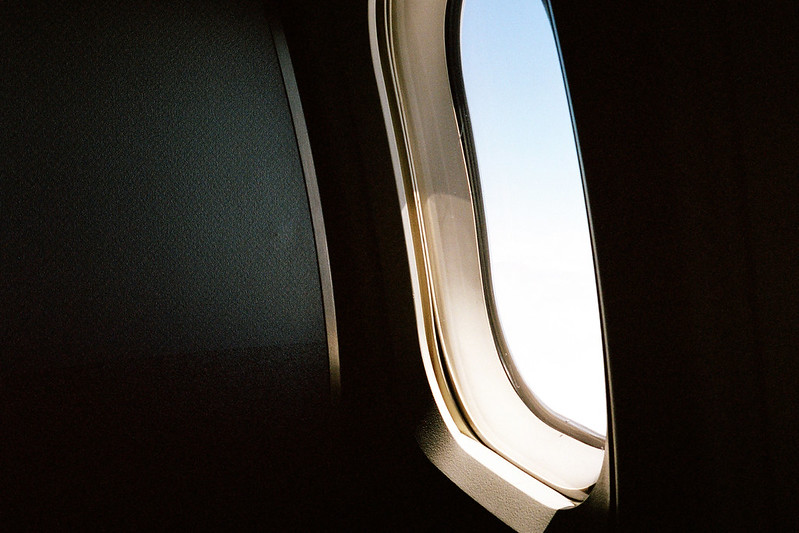
Photo source: openverse, p-k-c, Flickr
There’s something wonderful about being able to hop on a plane and wake up somewhere entirely new. Grandchildren to visit, bucket list destinations to check off, and old friends to reunite with. Travel doesn’t have to slow down just because the years add up. But let’s be honest, jet lag can hit differently once you’re past sixty. That groggy, out of sorts feeling can linger a bit longer, and your sleep schedule might take its time bouncing back.
The good news is that jet lag isn’t something you just have to tough out. With a little planning and a few smart habits, you can feel like yourself again much faster and actually enjoy those first precious days of your trip instead of sleepwalking through them.
Here are some tried and true tips to help your body catch up with your itinerary.
Start Adjusting Before You Even Pack Your Bags
You don’t have to wait until you land to start getting over jet lag. A few days before departure, try shifting your bedtime and wake-up time by thirty minutes to an hour in the direction of your destination’s time zone. Heading east? Go to bed a little earlier each night. Heading west? Stay up a bit later. This small head start can make a real difference once you touch down.
Choose Flights That Work With Your Body, Not Against It
If you have some flexibility, look for flights that land in the early evening at your destination. This lets you have a light dinner, unwind, and go to bed at a reasonable local hour instead of arriving exhausted at 3am and having to figure out what to do with yourself for the rest of the night. Overnight flights can also help since they naturally encourage you to sleep during the journey.
Stay Hydrated Like It’s Your Job
Airplane cabins are famously dry, and dehydration makes jet lag symptoms so much worse – think headaches, fatigue, and that foggy feeling. Drink plenty of water before, during, and after your flight. Go easy on coffee and alcohol during travel days, as tempting as that in-flight glass of wine might be. They might feel relaxing in the moment, but they can throw off your sleep even more once you land.
Let Sunlight Be Your Best Friend
Natural light is one of the most powerful tools for resetting your internal clock. When you arrive at your destination, try to spend time outside during daylight hours, even if it’s just a slow walk around the block or sitting on a bench with a good book. If you arrive somewhere with an earlier time zone and need to stay awake longer, morning sunlight helps a lot. If you need to delay your body clock, afternoon and evening light does the trick.
Don’t Skip Movement; Even Gentle Movement Counts
Sitting for long stretches on a plane can leave your body stiff and your circulation sluggish, which can make jet lag feel worse. Stand up and stretch during the flight when you can; take a short stroll down the aisle, and once you land, a light walk outdoors can do wonders. You don’t need to power through a workout, just enough movement to wake your body up and remind it that it’s daytime.
Be Kind to Your Sleep Schedule Once You Arrive
As much as it might be tempting to nap the moment you check into your hotel, try to resist a long nap on your first day. A short twenty- to thirty-minute rest can take the edge off, but sleeping for hours will only confuse your body clock further. Aim to go to bed at a normal local bedtime, even if you’re tired earlier than usual. Your body will thank you the next morning.
Talk to Your Doctor About Medications and Supplements
If you take medications on a schedule, getting over jet lag and time zone changes can complicate things. It’s worth having a conversation with your doctor or pharmacist before you travel about how to adjust timing safely. Some people also find that melatonin supplements help ease the transition, but this is worth discussing with your doctor first, especially if you’re on other medications.
Give Yourself Grace and Extra Time
Here’s the thing, recovery might simply take a bit longer than it used to, and that’s completely okay. Instead of packing your first day or two with a jam-packed sightseeing schedule, build in some breathing room. Plan lighter activities early in the trip and save the big adventures for once you’re feeling more like yourself. There’s no prize for pushing through exhaustion, and a slower start often means a much more enjoyable trip overall.
Pack Comfort Items That Help You Rest
A cosy travel pillow, an eye mask, earplugs or noise-cancelling headphones, and even a small bottle of your favourite calming tea can make a surprising difference in how well you sleep on the plane and in unfamiliar hotel rooms. Small comforts from home can help your body relax faster in a new environment.
Jet lag doesn’t have to steal the joy out of your travels. With a bit of preparation, some patience, and these simple habits, you can settle into a new time zone more smoothly and spend less time feeling foggy and more time making memories. Every traveller adjusts a little differently, so pay attention to what your body needs and don’t be afraid to slow down when it asks you to.
Safe travels, and here’s to many more adventures ahead.