Smoking in Your Later Years: Why It’s Never Too Late to Quit

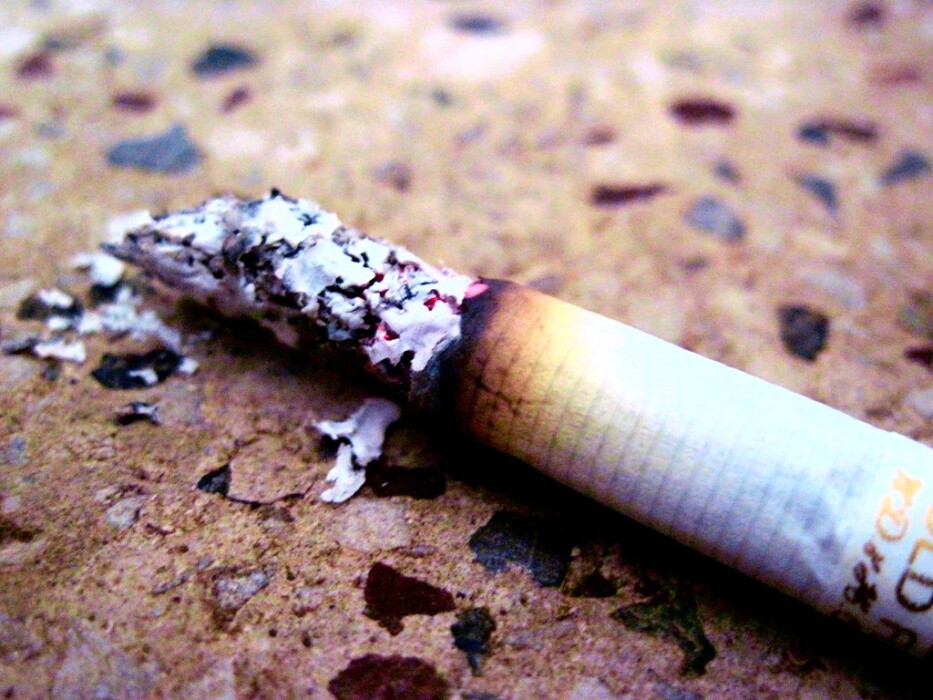
Photo source: openverse, Sudipto_Sarkar, Flickr
If you’ve been smoking for 30, 40, or even 50 years, you’ve probably heard every reason to quit at least a few times by now. You might even be thinking, “What’s the point now? The damage is already done.”
Here’s the good news: that’s simply not true. Your body is more forgiving than you think, and quitting at any age comes with real, measurable benefits. Let’s talk honestly about what smoking does to an older body and why turning things around now is still worth it.
Why Smoking Hits Harder as We Age
Smoking is tough on anyone’s body, but it tends to be tougher on an older one. As we age, our lungs naturally lose some elasticity, our hearts work a little harder, and our immune systems slow down. Add smoking into that mix, and the effects often show up faster and more severely than they would in a younger person.
Here are some of the issues that become more common, or more serious, with age:
Lung function decline. Lung capacity naturally drops as we get older. Smoking speeds this up significantly, which is part of why conditions like COPD and emphysema are so common among long-time smokers in their 60s, 70s, and beyond.
Heart health risks. Smoking narrows blood vessels and raises blood pressure. Combine that with an ageing cardiovascular system, and the risk of heart attack or stroke climbs noticeably.
Slower healing. Nicotine restricts blood flow, which means cuts, surgical wounds, and even bone fractures take longer to heal. This matters more later in life, when recovery already tends to take longer.
Bone density loss. Smoking is linked to weaker bones. Paired with the natural bone loss that comes with ageing, especially for women after menopause, this raises the risk of fractures and breaks.
Medication interactions. Smoking can affect how well certain medications work, including some blood thinners, antidepressants, and pain medications, which is worth knowing if you’re managing a few prescriptions.
None of this is meant to scare you. It’s just useful to understand what’s happening so you can make a clear-eyed decision about what comes next.
The Upside: Your Body Starts Repairing Itself Quickly
This is the part that surprises a lot of people. The body starts healing almost immediately after the last cigarette, regardless of age.
Within 20 minutes, heart rate and blood pressure begin to drop back down.
Within a few hours, carbon monoxide levels in the blood fall, allowing more oxygen to reach your organs.
Within a few weeks, circulation improves and lung function starts to get better.
Within a year, the risk of heart disease drops substantially.
Over the following years, the risk of stroke and several cancers continues to decline.
Quitting at 65, 70, or 80 still lowers your risk of heart disease, stroke, and respiratory illness compared to continuing to smoke. Age doesn’t cancel out the benefit. It just means you’re giving your body a break it’s been waiting a long time for.