Pet Care for Seniors: Low-Maintenance Pets for Retirees Living Alone

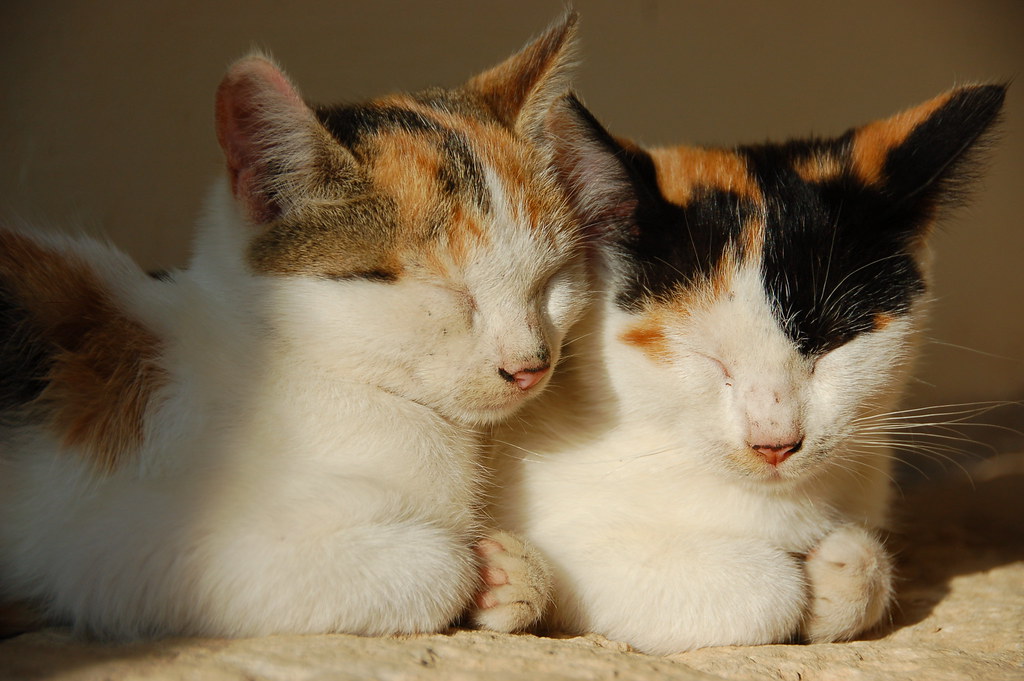
Photo source: openverse, Flickr
If you’ve ever come home to an empty house after years of having a full one, you know there’s a particular kind of quiet that takes some getting used to. Kids move out, a spouse passes, and friends relocate closer to their own grandkids. Suddenly the house that used to hum with noise just… doesn’t. A lot of retirees find that a pet fills that quiet in a way that nothing else quite does.
But let’s be honest about something most articles skip over: not every pet makes sense for every stage of life. A high-energy puppy that needs three walks a day and a vet bill the size of a small car payment isn’t realistic for everyone, especially if your knees aren’t what they used to be or you’re watching a fixed income closely. That doesn’t mean pet ownership is off the table. It just means it’s worth thinking it through.
So let’s talk about what actually works.
Why a pet might be exactly what you need right now
Before getting into specific animals, it’s worth pausing on why this topic matters so much. Loneliness isn’t just an uncomfortable feeling — research has linked it to real effects on health, including heart health and immune function. A pet gives you:
- A reason to get up in the morning. Someone needs feeding, and that someone is counting on you.
- Built-in companionship. Talking out loud to a cat curled up on your lap doesn’t feel strange when there’s a warm, breathing creature actually listening.
- A little structure. Routines tend to slip when you’re living alone. A pet quietly puts some of that structure back.
- Something to care for. There’s a meaningful difference between living alone and living only for yourself. A pet changes that equation.
None of this requires a dog that needs to run five miles a day. It just requires the right match.
Pet care for seniors: What “low-maintenance” actually means at this stage
When people say “low-maintenance pet,” they usually mean one that doesn’t need vigorous daily exercise; doesn’t require lifting, bending, or a lot of physical strength to care for; has manageable, predictable costs; is a pet that doesn’t mind being left alone for stretches of time, and has a temperament that’s calm rather than demanding.
Keep that list in mind as we go through the options below as it’ll help you figure out which pet actually fits your life, rather than the life you used to have.
Cats: quiet companionship without the leash
Cats are, for many retirees, close to the ideal pet. They don’t need walks. They use a litter box instead of needing to be let outside at 6 a.m. in the rain. They’re perfectly content to nap on a windowsill for twelve hours and still greet you like you’ve been gone a year.
An older or adult cat, rather than a kitten, tends to be the better match here. Kittens are adorable, but they’re also tiny tornadoes for the first year of their life. A cat that’s three years or older is usually already calm, litter-trained, and has a settled personality, so you know what you’re getting.
Worth knowing: Litter boxes do need scooping, and if bending down is difficult, a higher-sided box with a scoop on a long handle, or a self-cleaning litter box, solves that problem completely.
Small dogs with calm temperaments
Dogs get a reputation for being a lot of work, and big, young dogs can be. But plenty of small breeds are bred specifically to be lap companions, not athletes. Think Shih Tzus, Cavalier King, Charles Spaniels, Pomeranians, Maltese, and senior dogs of almost any breed, who are often past their hyperactive years.
A short walk around the block twice a day is usually plenty for these breeds, and many do fine with a yard or even just a regular bathroom routine indoors with pads if mobility is limited. There’s also a wonderful option that doesn’t get talked about enough: adopting a senior dog. Older dogs are calmer and already trained, and shelters are full of sweet ones who get passed over for puppies. A senior dog and a retiree can be a perfect match, two old souls settling into a slower pace of life together.
Birds: companionship that doesn’t need walking at all
A budgie, canary, or cockatiel can be a wonderful companion for someone who wants company without any physical demands at all. Birds don’t need to be walked; they don’t need litter boxes, and many species are happy to sing, chirp, and interact through the bars of their cage without ever needing to be held.
The tradeoff: cages need regular cleaning, and some birds (cockatiels, especially) can be quite social and want attention, so this works best for someone who enjoys having a chatty little roommate.
Fish: the lowest-maintenance option that still feels alive
If mobility, allergies, or simply not wanting another living thing to manage physically is a concern, a small aquarium might be the answer. There’s something genuinely calming about watching fish move around a tank, it’s been shown to lower stress and even blood pressure in some studies.
A simple setup with a few hardy fish (like bettas or guppies) needs a weekly check and occasional tank cleaning, nothing more. It won’t curl up next to you on the couch, but it brings life and colour into a room, and the upkeep is about as minimal as pet care gets.
Rabbits and guinea pigs: a middle ground worth considering
These don’t get mentioned often, but they deserve a spot on this list. Rabbits and guinea pigs are quiet, don’t need walks, and can be litter-trained to use a corner of their pen. They’re affectionate in their own way; many enjoy being petted and will come to the edge of their enclosure when you walk in the room. They do need fresh food, water, and a clean living space daily, so it’s a bit more hands-on than fish, but far less than a dog.
A few practical things to think about before choosing
Your budget. Vet visits, food, and grooming add up differently for each animal. Cats and small dogs tend to run higher in vet costs over their lifetime than fish or birds. It’s worth being realistic about this upfront rather than discovering it later.
Your living situation. If you’re in a retirement community or assisted living facility, check the pet policy before falling in love with anything. Many communities welcome pets but have size or breed restrictions.
A backup plan. This one’s important and often overlooked: think about who would care for your pet if you were hospitalized or unable to for a period of time. Many retirees arrange this informally with a family member or neighbor in advance, which brings real peace of mind.
Adoption over buying, when possible. Shelters are full of wonderful, calm animals — many specifically labelled as good companions for seniors. Staff at local shelters are usually happy to match you with a pet’s temperament rather than just its breed or age, so don’t hesitate to call and just ask.