Common Vision Changes After 60

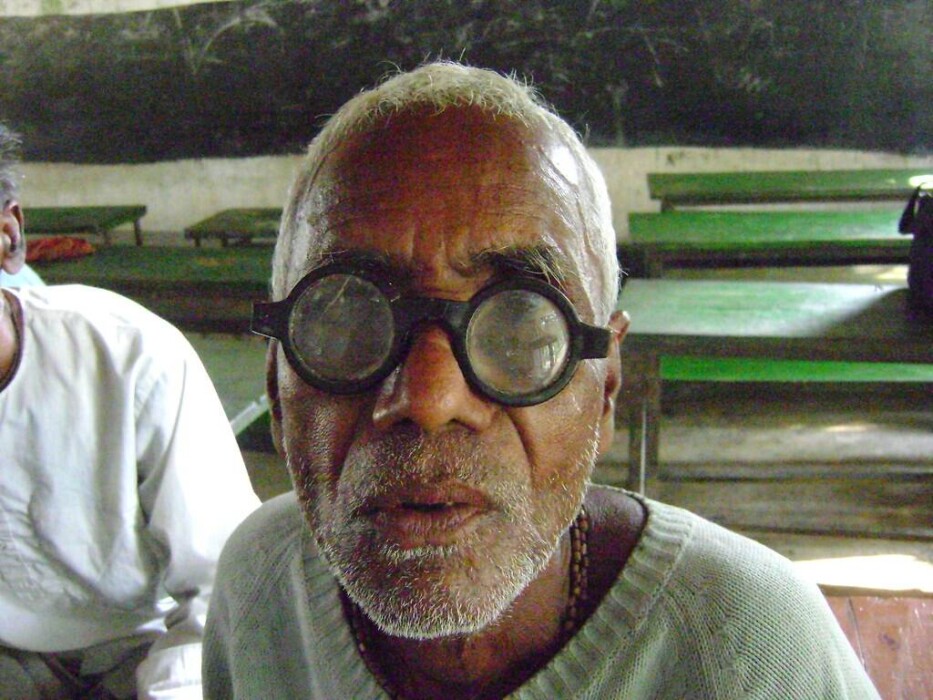
Photo source: Flickr
As we get older, it’s normal to notice changes in our eyesight. Reading small print may become more difficult, driving at night might feel more challenging, or your eyes may tire more quickly than they used to. While some vision changes are a natural part of ageing, understanding them can help you take steps to protect your eye health and maintain your independence.
One of the most common changes after 60 is difficulty focusing on close objects. Many people find themselves holding books, menus, or mobile phones farther away in order to read them clearly. This age-related condition is very common and is often managed with reading glasses or updated prescription lenses.
Another change is reduced ability to see in low light. You may notice that dimly lit rooms feel darker than they once did or that driving at night becomes more difficult. Brighter lighting at home can often help make daily activities more comfortable.
Many older adults also experience increased sensitivity to glare. Bright sunlight, headlights, or reflections from shiny surfaces may seem more bothersome than before. Wearing quality sunglasses outdoors and reducing glare indoors can help minimise discomfort.
Dry eyes are another common concern. As we age, our eyes may produce fewer tears, leading to irritation, redness, or a gritty sensation. Staying hydrated and discussing suitable eye drops with an eye care professional can often provide relief.
Some vision changes may be linked to age-related eye conditions such as cataracts, glaucoma, or macular degeneration. These conditions can develop gradually and may not cause obvious symptoms in the early stages. That’s why regular eye examinations become increasingly important as we get older.
It’s also worth paying attention to sudden changes in vision, such as flashes of light, floaters, or rapid vision loss. These symptoms should be assessed by a healthcare professional as soon as possible.
While changes in eyesight are a normal part of ageing, many can be managed effectively with regular check-ups and the right support. Looking after your eyes today can help you continue enjoying the activities and independence that matter most.