Your Spare Keys Should be Sorted Out

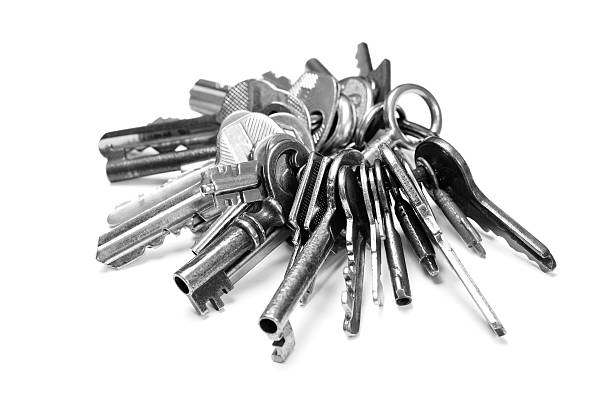
Photo source: iStock
There’s a good chance you have a small collection of keys somewhere at home that you no longer recognise. One might belong to an old padlock, another to a previous house, and another could be the spare key you’ve been keeping for years without remembering exactly what it opens.
It’s tempting to leave them alone. After all, they’re small and take up hardly any space. But unidentified keys become particularly unhelpful when you actually need one. You end up trying several keys against different locks, or keeping everything because you’re worried about throwing away the one you might eventually need.
Take 15 minutes to gather the loose keys from drawers, cupboards, key bowls, and old keyrings. Group them together and start with the easy ones. If you recognise a key for your current home, garage, shed, or mailbox, label the spare clearly rather than relying on memory.
For keys you can’t identify, think about what has changed since you acquired them. Have you moved house? Replaced a padlock? Changed the garage lock? Got rid of a filing cabinet or old storage box? A key that once had a purpose may no longer have one.
Don’t forget keys that belong to someone else. You may have a spare for an adult child, neighbour, or previous housemate. If you’re not sure whether it is still needed, ask before getting rid of it. It’s much easier to check now than discover later that you’ve discarded something important.
Once you’ve worked through the collection, keep the useful spares together and label them in a way that makes sense. “Back door” or “garden shed” is far more useful than trying to remember which of three identical keys is which.
You may even find that you have several copies of the same key. Keep the number you genuinely need and remove the rest from the collection.
It’s a tiny household job, but there’s something satisfying about opening a drawer and knowing exactly what every key is for. No guessing, no rattling through a dozen old keys, and no keeping things simply because you’re afraid you might need them one day.