Why Fewer, Deeper Friendships Matter More With Age

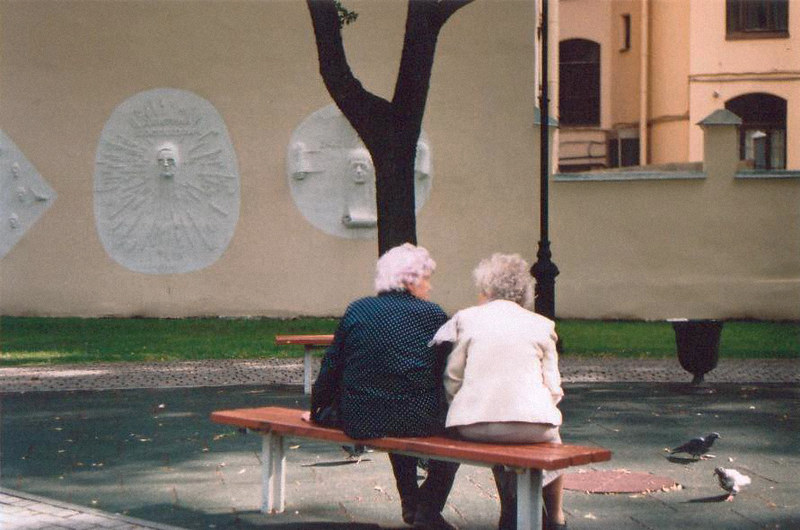
Photo source: openverse, MorePolly, Flickr
As we grow older, the size of our social circle often shrinks. This is not a loss to mourn. It is a natural and healthy shift. Research on ageing and wellbeing consistently shows that quality of friendship matters far more than quantity, especially after retirement age.
The Shift From Quantity to Quality
In our younger years, we collect friendships through school, work, and shared milestones. With age, priorities change. Seniors often find themselves drawn to a smaller group of trusted companions rather than a wide network of acquaintances. This is sometimes called “socioemotional selectivity,” a psychological theory suggesting that as time feels more limited, people naturally invest in relationships that bring the most meaning and emotional reward.
Why Deep Friendships Support Healthy Ageing
Close, long-term friendships offer real health benefits. Studies link strong social bonds to lower rates of depression, better cardiovascular health, and even improved cognitive function. A trusted friend can be someone to call during a health scare, share a meal with, or simply sit with in comfortable silence. These relationships provide a sense of security that a large but shallow network cannot replicate.
Deep friendships also encourage honesty. When you have known someone for decades, there is little need for pretence. You can share fears about ageing, grief, or physical changes without judgement. This emotional openness is protective against loneliness, which remains one of the biggest risk factors for poor health in older adults.
Building and Protecting Meaningful Connections
It is never too late to deepen existing friendships or form new meaningful ones. Seniors can nurture these bonds by scheduling regular calls or visits, joining small interest groups instead of large events, and being intentional about checking in during difficult times. Quality time, even in small doses, strengthens trust more effectively than frequent but surface-level contact.
Letting go of relationships that feel draining or one-sided is also part of healthy ageing. Energy and time become more valuable resources, and investing them in a few reliable, caring friendships pays off in both emotional and physical wellbeing.
Final Thoughts
Ageing well is not about having the most friends. It is about having the right ones. A few deep, trustworthy relationships can offer more comfort, laughter, and support than a crowded contact list ever could. Prioritising depth over breadth may be one of the simplest and most powerful steps toward a happier, healthier later life.