What to Expect When You Start Strength Training as a Senior

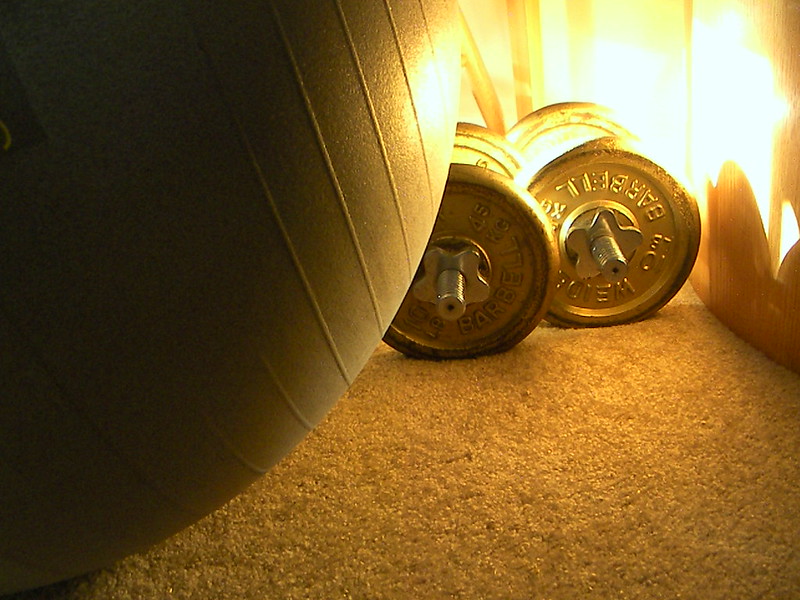
Photo source: openverse, Christian Grantham, Flickr
Starting strength training later in life is one of the best decisions you can make for your health, and more older New Zealanders are picking up weights than ever before. If you are new to it, knowing what to expect can help you stay motivated and avoid unnecessary worry.
The First Few Sessions
In your first week or two, you will likely feel some muscle soreness, especially in the days after a session. This is normal and usually settles down as your body adapts. Many seniors also notice they feel more tired than usual to begin with. This is simply your body adjusting to a new kind of activity, and energy levels tend to improve within a few weeks.
Building Confidence and Technique
Early sessions are less about lifting heavy and more about learning good form. A physiotherapist, personal trainer, or a Green Prescription coordinator through your local Sport NZ programme can help you learn safe movement patterns. Many councils and gyms across New Zealand offer classes designed specifically for older adults, which can be a great way to build confidence in a supportive environment.
Noticeable Changes Over Time
After several weeks of consistent training, most people begin to notice improvements in everyday tasks. Getting up from a chair, climbing stairs, and carrying groceries often feel easier. Balance tends to improve too, which is important since falls are a leading cause of injury among older adults in New Zealand. Strength training also supports bone density, which can help reduce the risk of osteoporosis.
Managing Expectations
Progress with strength training is gradual. You may not see dramatic changes overnight, but small, consistent improvements add up over months. It is normal to have days where you feel stronger than others, and this does not mean you are going backwards.
Staying Safe
Always start with light weights or bodyworking movements and increase gradually. Warming up before each session and allowing rest days between workouts helps your body recover properly. If you have existing health conditions, a chat with your GP before starting is a sensible first step.
Strength training is one of the most valuable habits a senior can build. With patience and the right guidance, it can support independence, confidence, and a better quality of life for years to come.