What to Do If You Suspect Someone Is Casing Your Home

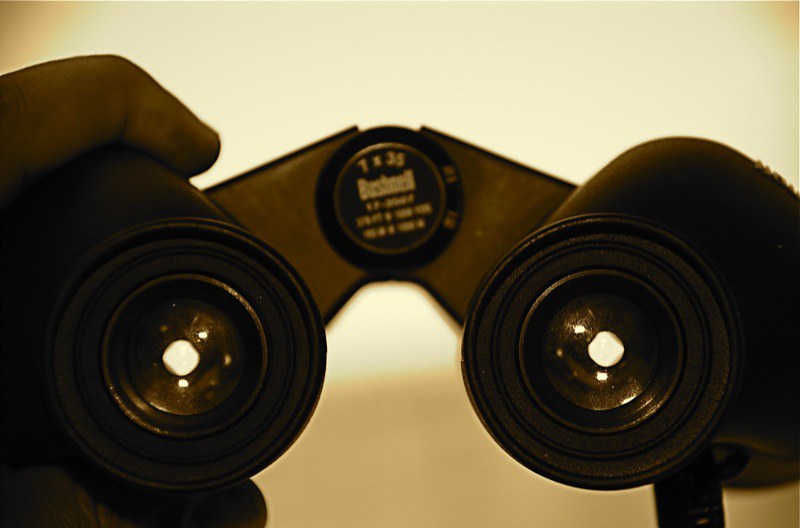
Photo source: openverse, bkatcher, Flickr
Feeling like you’re being watched is unsettling, especially at home, where you should feel safest. For many older New Zealanders living alone, a nagging sense that something isn’t right shouldn’t be brushed aside. Trusting your instincts and knowing what steps to take can make all the difference.
Recognising the Warning Signs
‘Casing’ usually means someone is observing a property before attempting a burglary or scam. Common signs include unfamiliar cars parked nearby for long periods, the same person walking past repeatedly, strangers asking odd questions about your daily routine, or unexpected knocks from people claiming to check meters or deliveries without proper identification. Notice if mail or parcels go missing, or if you spot someone photographing your house or peering into windows.
Trust Your Gut
Many older adults second-guess themselves, worrying they are overreacting. This is rarely the case. If something feels off, it usually is. Your awareness is a valuable form of protection.
Practical Steps to Take
Start by writing down what you noticed, including dates, times, vehicle details, and descriptions. This record helps if you need to report anything later. Make sure your doors and windows are locked, even during the day, and consider installing a doorbell camera or motion sensor light, which are widely available and easy to set up in New Zealand homes.
Speak with a trusted neighbour or family member about what you’ve seen. Neighbourhood support groups across New Zealand are a great way to share information and look out for one another.
When to Contact Someone
If you feel unsafe or notice suspicious activity, contact your local police station on 105 for non-urgent matters. Always call 111 if you feel unsafe right now or believe a crime is happening. Police welcome these calls and would rather check on a false alarm than miss a genuine concern.
Staying Connected Matters
Isolation can make anyone feel more vulnerable. Keeping regular contact with family, friends, or community groups not only offers peace of mind but also means someone will notice if your routine changes unexpectedly.
Your safety and comfort at home matter. Paying attention to your surroundings, trusting your instincts, and knowing who to call are simple but powerful ways to stay protected.