Walking Aids Explained: Choosing the Right Support

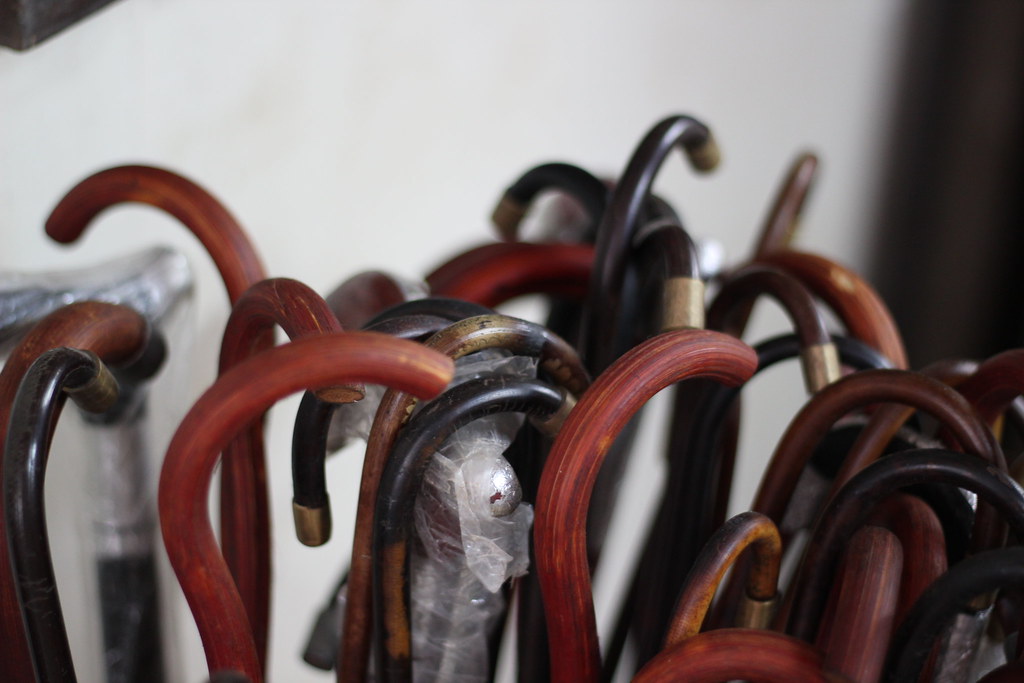
Photo source: openverse, Flickr
As we get older, staying steady on our feet becomes more important for maintaining independence, confidence, and safety. Walking aids can make a big difference—but only when the right one is chosen and used correctly.
Common Types of Walking Aids
Walking Stick (Cane)
A walking stick is often the first step for people who need mild support.
This is best for light balance issues, mild leg or joint pain (such as arthritis), and getting extra confidence on uneven surfaces.
Quad Cane (Four-Pronged Cane)
This version has a wider base with four tips for extra stability. This can be useful if you have moderate balance problems and support is more essential than a standard stick.
Frame Walker (Standard Walker)
A frame walker is a lightweight metal frame with four legs. Best for individuals with significant balance issues, those recovering from surgery or injury, and anyone needing full weight support while walking.
Rollator Walker (Wheeled Walker)
A rollator is similar to a frame walker but includes wheels, brakes, and often a seat. This is useful for people who can walk but tire easily and for outdoor use or covering longer distances.
Crutches
Crutches are typically used for short-term recovery, especially for injuries like fractures or sprains and during post-surgery rehabilitation.
Getting the Right Fit
A poorly fitted walking aid can cause discomfort or even increase the risk of falls. Proper adjustment ensures the aid supports your body correctly, promotes stability, and allows for safer, more confident movement.