The Shower Seal Is Easy to Overlook

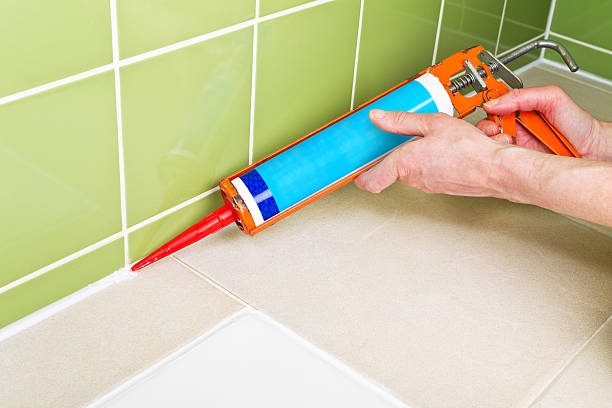
Photo source: iStock
The strip of silicone around your shower or bath is not particularly exciting. It is one of those things you probably notice only when it starts looking grubby, mouldy, or cracked.
But that seal has an important job. It helps stop water from getting into the gaps between the shower tray, bath, wall, and floor. Once it begins to fail, a little water can find its way somewhere it was never supposed to go.
Take a close look at the seal rather than judging it from across the bathroom. Look for cracks, gaps, sections that have lifted away from the surface, or areas that have become permanently blackened. Run your eye along the corners too, where deterioration can be easier to miss.
Mould on the surface does not automatically mean the entire seal needs replacing. Regular cleaning may deal with superficial mould, depending on the product and condition of the sealant. But if mould has penetrated the silicone, or the material is cracked and pulling away, cleaning alone will not solve the underlying problem.
Pay attention to what happens after someone has a shower. If water is appearing outside the usual wet area, particularly near the edge of the bath or shower, do not simply put down another towel and forget about it. The seal, grout, shower screen, or another part of the enclosure may need attention.
This is particularly important in bathrooms with timber or other moisture-sensitive materials nearby. A small leak that happens repeatedly can cause damage long before you notice anything obvious.
Replacing bathroom sealant is a job some people are comfortable tackling themselves, but preparation matters. The old seal needs to be removed properly and the surfaces cleaned and dried before new sealant is applied. If water has already caused damage, or you are unsure where it is getting in, a professional may be the safer option.
It is worth making the shower seal part of your occasional household inspection, alongside things such as taps, cupboards, and drains. You do not need to stare at it every week. Just take a proper look when you are cleaning the bathroom.
It is a small strip of material, but it is doing a surprisingly important job. If it starts to fail, catching it early can be considerably easier than dealing with whatever the water has been doing behind it.