The Rise of “Slow Travel” and Why It Suits Senior Travellers

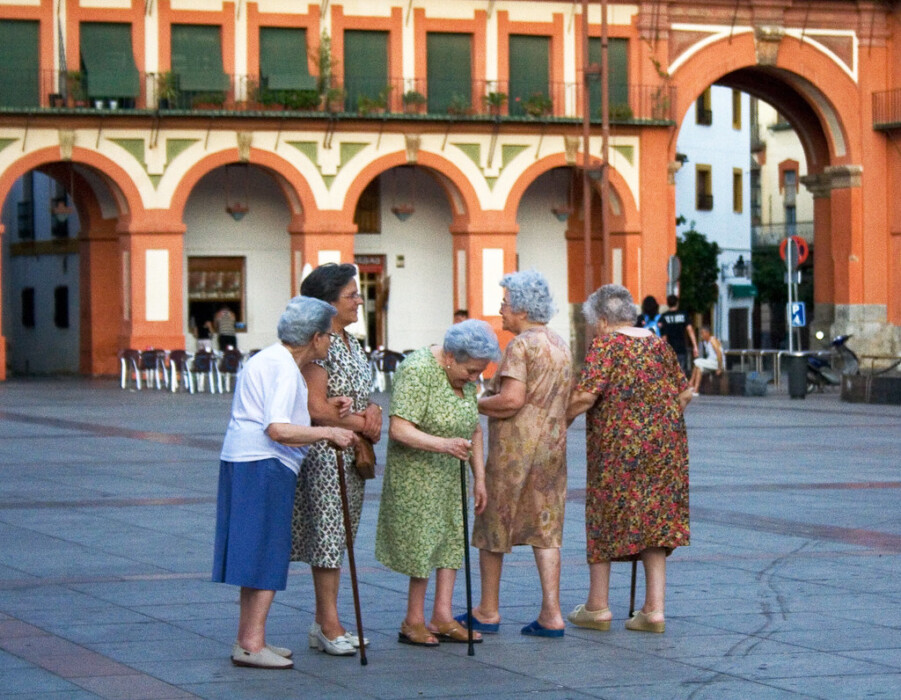
Photo source: openverse, Flickr
Travel has changed a lot over the years. In the past, many holidays were rushed, with packed itineraries, early morning tours, and trying to see as much as possible in a short time. But a new way of travelling is becoming more popular, especially among older adults: slow travel.
What Slow Travel Really Means
Slow travel is simply about taking your time.
It might mean staying in one town for a week instead of moving every two days. It could mean walking through local markets instead of rushing through a checklist of tourist spots. It might even be as simple as enjoying a long breakfast at a café while watching the world go by.
Why Slow Travel Suits Senior Travellers
As we get older, travel priorities often change. Energy levels, comfort, and enjoyment become more important than ticking off landmarks. Slow travel fits beautifully into this stage of life.
Here’s why:
Less rushing, more comfort
Long travel days and packed schedules can be tiring. Slow travel gives your body time to rest between activities, making the journey more enjoyable.
Deeper experiences
Staying longer in one place allows you to connect with local people, understand the culture, and discover hidden gems you might otherwise miss.
More flexibility
There is no strict schedule. If you want a quiet day, you can have one. If you want to explore, you can do it without pressure.
Better for health and wellbeing
A slower pace reduces stress and fatigue. It also allows more time for rest, which is important for overall health while travelling.
Easier on mobility needs
Slow travel often means fewer transfers, less packing and unpacking, and more time in one comfortable base.
A Gentler Way to See the World
Slow travel is not about doing less; it’s about experiencing more of what truly matters.
For senior travellers, it offers a way to enjoy the world without pressure, rush, or exhaustion. It brings back the joy of travel in a calmer, more meaningful way.