The Emotions No One Warns You About After 65

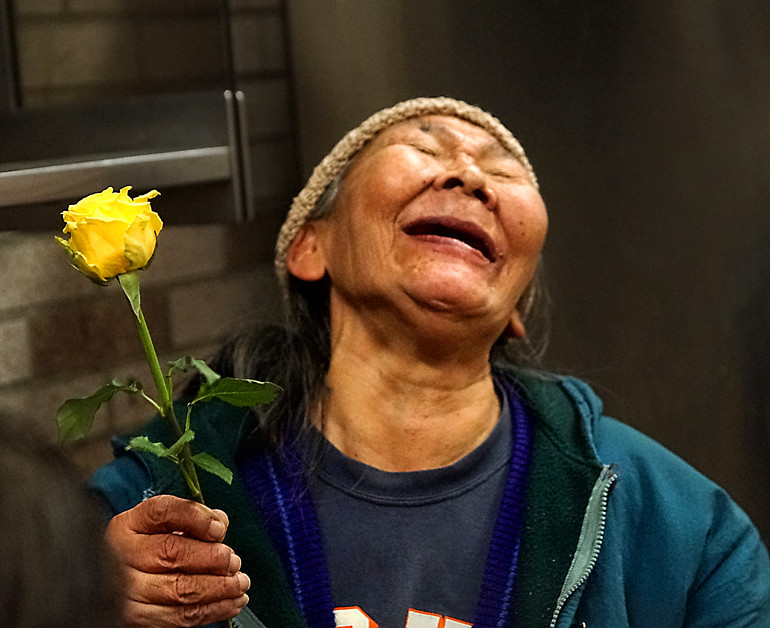
Photo source: openverse, P2P Productions, Flickr
Turning 65 often comes with talk of superannuation, retirement villages, and travel plans. What gets left out of the conversation are the emotions after 65 that many people simply are not prepared for. Many Kiwi seniors are surprised by feelings that catch them off guard, simply because no one talked about them beforehand.
A Sense of Lost Identity
For decades, work, parenting, or caregiving shaped daily routines and self-worth. Once these roles fade, some people feel unsure of who they are without them. This is one of the most common emotions after 65 and a normal part of the transition into retirement, not a sign that something is wrong.
Unexpected Grief
Grief after 65 is not only about losing loved ones. It can also mean grieving physical ability, independence, or the version of life once imagined for this stage. This quiet grief often goes unspoken, even among close family and friends.
Loneliness in a Full Life
Someone can be surrounded by family, still live in their own home, and remain active in their community, yet still feel lonely. Reduced social contact after retirement, combined with the loss of daily workplace conversations, can leave a real gap that is rarely discussed openly.
Anxiety About Health and the Future
Worry about health changes, memory, or becoming a burden to family is extremely common among older adults in New Zealand. These worries are natural, though they can grow larger when kept private instead of shared.
Frustration and Restlessness
Not every senior wants a slower pace of life. Some feel frustrated by a slower body, reduced opportunities, or a sense that the world is moving without them. This restlessness deserves acknowledgement rather than dismissal.
Why Talking About This Matters
Understanding the emotions that so many people quietly experience is the first step toward feeling less alone in them. Community groups, local Age Concern services, and simple conversations with friends or whanau can help ease the weight of unspoken feelings. Staying connected, whether through hobbies, volunteering, or regular catch-ups, plays a meaningful role in emotional wellbeing during later life.
Ageing well is not only about physical health. Emotional wellbeing deserves just as much attention, especially in a stage of life so often painted as simply relaxing and enjoying the years ahead.