The Bank Charge That Appears Only When You Travel

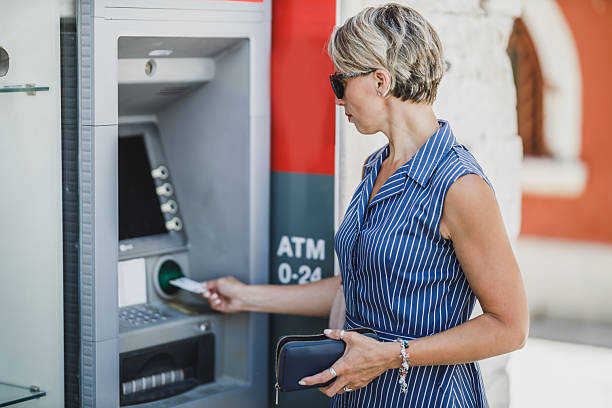
Photo source: iStock
You buy a coffee overseas, tap your bank card, and carry on with your day. Later, you notice the transaction cost more than you expected. The difference might be down to an overseas transaction fee, an ATM charge, or a currency conversion rate that was less favourable than you assumed.
These costs are easy to overlook because they often appear separately from the price of your purchase. Your bank may charge a foreign currency fee for card transactions, while the overseas ATM operator may add its own withdrawal charge. If you make frequent small purchases or withdraw cash several times, those amounts can accumulate throughout a holiday.
One common trap appears when a payment terminal asks whether you want to pay in New Zealand dollars or the local currency. Choosing New Zealand dollars may seem reassuring because you can see the amount immediately. However, this option often uses dynamic currency conversion, where the merchant or payment provider sets the exchange rate. That rate may be less competitive than the rate applied by your card provider.
In many cases, choosing the local currency lets your card provider handle the conversion instead. This does not guarantee the cheapest transaction, since your bank may still charge a foreign currency fee, but it helps you avoid accepting an unfamiliar conversion rate without comparing the options.
Before leaving New Zealand, review your bank’s overseas transaction fees, ATM charges, and exchange-rate policies. If you plan to use a debit or credit card, confirm whether it works at your destination and whether your bank needs to be notified of your travel plans. Some banks also offer travel-friendly cards with different fee structures.
It is sensible to carry more than one payment method and keep them separately in case a card is lost or declined. Avoid withdrawing cash from unfamiliar ATMs in isolated locations, and always read the fee information displayed before confirming a transaction.
When you return home, review your statements while the purchases are still fresh in your memory. If a charge looks unfamiliar or significantly different from what you expected, contact your bank for clarification.
A holiday does not need to involve scrutinising every cup of coffee. Understanding how currency conversion works before departure can help you spend with greater confidence and avoid paying unnecessary fees along the way.