That Gap Under the Door Should Be Looked At

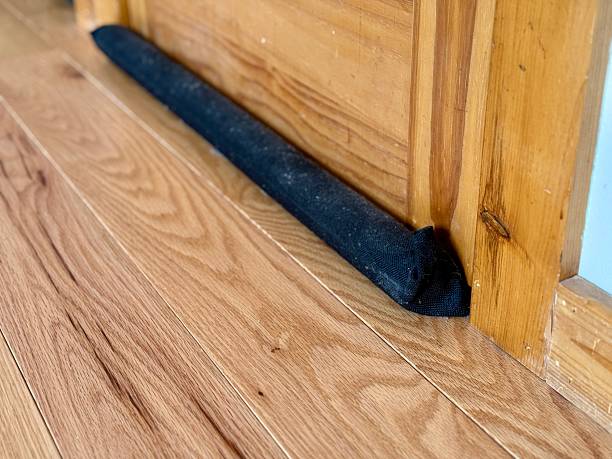
Photo source: iStock
There is one part of the house you may never think about when the temperature drops: the few millimetres underneath your doors. Yet a noticeable draught coming through an exterior door can make a room feel colder and force your heating to work harder.
The front door is an obvious place to start. Close it on a calm day and stand nearby for a moment. Can you feel cold air around the edges or underneath? You might also notice a curtain moving slightly even though the windows are closed.
A small amount of air movement is not necessarily a problem, particularly with older homes. But a significant draught can make a noticeable difference to comfort. It can also be surprisingly easy to address with the right door seal or draught stopper.
Look at the existing seal around the frame. Rubber or foam weatherstripping can become compressed, cracked, or detached over time. The strip underneath the door can also wear down, leaving a larger gap than there used to be.
Do not automatically seal every gap you find. Some doors and rooms need appropriate ventilation, and blocking vents or other intentional openings can create different problems. If you are unsure whether a particular opening is designed for ventilation, leave it alone and ask a qualified professional.
There is another simple test. Close the door on a piece of paper and try to pull it out. If the paper slides out with almost no resistance in several places around the frame, the seal may not be making proper contact. This is only a rough indication, not a substitute for a professional assessment of the door.
If you rent your home, check with your landlord or property manager before making permanent changes. A removable draught stopper may be a more appropriate option.
A draughty door is easy to overlook because you gradually get used to it. You put on another jumper, turn the heater up a little, or decide that the hallway has always been cold.
Before doing any major work, take a few minutes to see whether the door itself is letting the outside air in. Sometimes improving the comfort of a room starts with something as unremarkable as the gap underneath the door.