Talking to Your Parents About Giving Up Driving

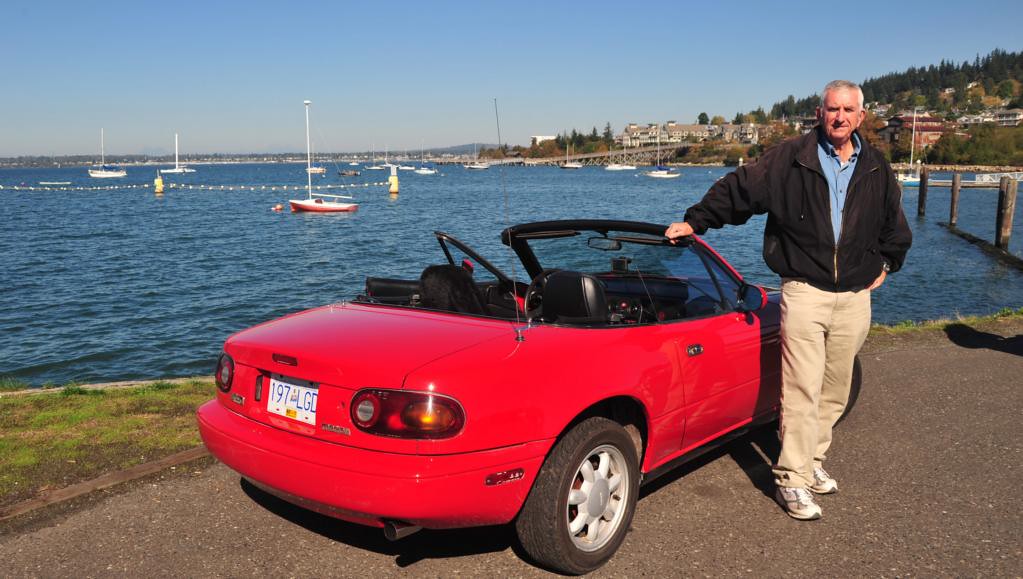
Photo source: Flickr
It’s one of the hardest conversations many families will ever have. For older parents, driving often represents much more than getting from one place to another. It’s independence. It’s the freedom to visit friends, do the shopping, attend appointments, or head off on a spontaneous day trip without relying on anyone else.
That’s why suggesting it may be time to stop driving can feel deeply personal. The conversation is rarely about age alone. It usually begins after a few warning signs. Perhaps there have been a couple of minor scrapes in the garage, hesitation at busy intersections, or growing discomfort driving at night. Family members may notice these changes before the driver does, making it tempting to raise the issue out of concern.
If you do, try to approach it with empathy rather than urgency. Instead of saying, “You shouldn’t be driving anymore,” ask how they feel behind the wheel. Have they started avoiding certain roads? Do they still feel confident in heavy traffic? Giving someone the opportunity to share their own concerns often leads to a more productive conversation than telling them what they should do.
It’s also helpful to focus on solutions rather than limitations. Many communities offer reliable public transport, community shuttles, taxi subsidy schemes, or volunteer driver services. Family members may also be able to organise a roster for appointments or regular outings. Knowing there are alternatives can make the transition feel far less overwhelming.
If there’s genuine uncertainty about whether it’s still safe to drive, encourage a conversation with their GP or suggest a professional driving assessment. An independent opinion can provide reassurance for everyone involved and remove some of the emotion from what is often a difficult decision.
For many older adults, giving up driving isn’t just about handing over the car keys. It’s about adjusting to a new stage of life while holding on to dignity and independence in different ways.
Handled with patience, honesty, and kindness, this conversation can become less about what someone is losing and more about helping them stay safe while continuing to live life on their own terms.